
Not to their doctors. Not to their families. To an AI named REMI.
"I need someone to watch my dog." "I can't afford my electric bill this month." "I don't have a ride to tomorrow's treatment."
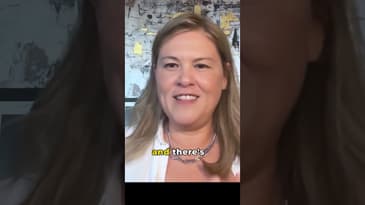
Ann Stadjuhar discovered this phenomenon not through research papers or focus groups, but through her own cancer journey. Despite two decades of healthcare expertise and insider knowledge at Optum, she found herself drowning in the same ocean of uncertainty that swallows every patient.
Now, as Chief Growth Officer at Reimagine Care, she's decoded why patients confess their deepest vulnerabilities to artificial intelligence: shame dissolves in the absence of human judgment. The bot doesn't pity. Doesn't burden. Simply escalates.
These confessions aren't data points. They're the social determinants that determine who survives. The unspoken barriers that turn treatable cancers lethal. The human needs that, left unmet, render even the most advanced medicine useless.
"Sometimes people are honestly more comfortable with the bot," Stadjuhar observes. Not because they prefer machines to humans. But because in their darkest moments, they need help without the weight of being helped.
Listen to this week's episode now - https://taplink.cc/inspiringwomen
#inspiringwomenpodcast #annstadjuhar #reimaginecare #cancercare #healthcareAI #digitalhealth #patientcare #healthcareinnovation #womeninhealthtech #aiinhealthcare #cancerjourney #lauriemcgraw #inspiringwomen