
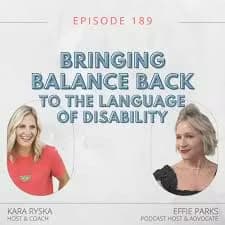

Connect with Kara, host of The Special Needs Mom Podcast:
Instagram: https://www.instagram.com/thespecialneedsmompodcast/
Website: https://www.kararyska.com/
Coaching Opportunities
Pathway to Peace {Group Coaching Program}: Schedule a Consult or Contact Me
Join The Special Needs Mom Podcast Community FaceBook Group!! Click here to Request to Join
[00:00:00] I'm Effie Parks. Welcome to Once Upon A Gene, a podcast. This is a place I created for us to
[00:00:10] connect and share the stories of our not so typical lives. Raising kids who are born with rare
[00:00:15] genetic syndromes and other types of disabilities can feel pretty isolating. What I know for sure
[00:00:22] is that when we can hear the triumphs and challenges from others who get it,
[00:00:26] we can find a lot more laughter, a lot more hope and feel a lot less alone. I believe there are
[00:00:32] some magical healing powers that can happen for all of us through sharing our stories and I'll take
[00:00:38] all the help I can get. Once Upon A Gene is proud to be part of Bloodstream Media. Living in a family
[00:00:48] affected by rare and chronic illness can be isolating and sometimes the best medicine is
[00:00:53] connecting to the voices of people who share your experience. This is why Bloodstream Media produces
[00:00:58] podcast, blogs and other forms of content for patients, families and clinicians impacted by
[00:01:04] rare and chronic diseases. Visit bloodstreammedia.com to learn more. Hey friends, welcome to the show.
[00:01:10] This is Once Upon A Gene and I'm your host Effie Parks. So this week's a little busy.
[00:01:15] Currently as this episode comes out, I am in Boston, Massachusetts attending the World Orphan
[00:01:20] Drug Congress. I'm so excited to see so many of you, I know and also meet a lot of new faces.
[00:01:27] So I'm super stoked about that and I also have the amazing honor of sitting on a panel
[00:01:32] with Gene DX to talk about genetic testing, ding ding ding, one of my love languages and all
[00:01:38] about the family experience and how much it matters to us to strive for that diagnosis
[00:01:43] and what happens after. So super excited for that. So I was thinking, I think this would
[00:01:47] be a perfect week to release an extra special episode. It's actually already been out before,
[00:01:53] but not on this show. My friend Kara Riska who is the host of the Special Needs Mom podcast
[00:02:00] interviewed me actually a few weeks ago and we had a really, really rich conversation and I
[00:02:06] think you're really going to enjoy it. Our dialogue revolved around the delicate nuances
[00:02:11] of the language in the realm of caregiving kids with disabilities and how as parents there are
[00:02:17] challenges of navigating it. And anyways, we dissect the narratives that we really heard a lot
[00:02:24] of over the last year on social media and we're proposing some fresh perspectives to foster
[00:02:29] a little more self understanding and mutual respect. So we delved pretty deep into the
[00:02:36] significance of choosing language that resonates personally and understanding that the idea that
[00:02:42] every family should feel free to use the term that feels right for them without facing judgment or
[00:02:48] shame. It's time we've moved on beyond shaming and really embrace this personal experience,
[00:02:54] especially when you're not being a jerk. Anyways, I really hope you enjoy this and
[00:02:59] I hope this episode makes you think I cannot even tell you how many messages I got from
[00:03:04] families, private messages that said thank you both so much for having this conversation.
[00:03:09] It was a breath of fresh air. I feel like if I speak up on social media, I'm going to be
[00:03:14] bullied, I'm going to be canceled, but I totally agree and it's gotten to be just too uncomfortable
[00:03:20] to even be who we are anymore. So I think that we really struck a chord with quite a few
[00:03:26] of you and I hope you enjoy our conversation. Don't forget to immediately go to the
[00:03:32] Special Needs Mom podcast hosted by Kara Riska. She's a beautiful angel and also a parent coach
[00:03:38] and subscribe to her podcast because she has incredible content and the sound quality is
[00:03:43] chef's kiss and she just did an amazing series on trauma. So definitely go check it out,
[00:03:48] subscribe to her show and please enjoy my conversation with Kara Riska.
[00:03:52] Hi, I'm Kara, life coach, wife and mom to four incredible and unique children.
[00:04:04] It wasn't all that long ago that my son received a diagnosis that had my world come crashing down.
[00:04:10] I lacked the ability to see past the circumstances which felt impossible
[00:04:15] and the dreams I once had for my life and family felt destroyed.
[00:04:19] Fast forward past many years of surviving and not at all thriving and you'll see a mom who trusts
[00:04:26] that she can handle anything that comes her way and has access to the power and confidence
[00:04:32] that once felt so lacking. I created the Special Needs Mom podcast to create connection
[00:04:38] and community with moms who find themselves feeling trapped and with no one who really
[00:04:43] understand. My intention is to spark the flare of possibility in your own life and rekindle
[00:04:50] your ability to dream. This isn't a podcast about your special needs child, this is a podcast
[00:04:56] about you. If you are a mom who feels anxious alone or stuck then you are in the right place.
[00:05:04] Welcome. Hello and welcome to the Special Needs Mom podcast. I'm so glad you're here.
[00:05:11] I just got finished recording an episode with, I'm going to say it, the famous Effie Parks.
[00:05:20] I think there's a very good chance you know who Effie is. Well I should say especially if you
[00:05:25] have a child that has a rare genetic syndrome or condition she is definitely a leader in
[00:05:32] this space and somebody that many of us look up to including myself and if you haven't heard
[00:05:38] of Effie and even if you don't necessarily have a child who has a defined genetic disorder,
[00:05:45] I know her podcast and her community is definitely worth checking out so please do that. Let me tell
[00:05:51] you a little bit more about Effie before we get started. Effie's originally from beautiful Montana
[00:05:56] and has become a guiding light in the rare disease community following her son Ford's diagnosis
[00:06:02] with CTNN B1 syndrome. Settling in Washington she transformed her family's journey into a crusade
[00:06:09] for advocacy, support and empowerment for families navigating similar challenges.
[00:06:14] As a host of Once Upon a Gene podcast Effie has been recognized for several awards including
[00:06:20] WEGO, Health and Podcast Magazine for her impactful storytelling and resource sharing in the realm
[00:06:26] of rare genetic disorders. Effie extends her advocacy through speaking engagements at medical
[00:06:32] and patient advocacy conferences, sharing her experiences and insights from her work to bridge
[00:06:37] the gap between all rare disease stakeholders. Her skill in community engagement, development
[00:06:42] through her advocacy empowers her efforts in building a supportive network and raising
[00:06:47] awareness. With a mission to leave the world better than she found it Effie is dedicated to
[00:06:52] fostering a more informed and empathic environment for those impacted by rare diseases.
[00:06:57] Her work embodies resilience and compassion inspiring and uniting the rare disease community.
[00:07:03] Effie's journey is not just about sharing stories it's about driving change and creating a lasting
[00:07:09] impact in the world of rare genetic conditions. The conversation that Effie and I engage in
[00:07:16] is really inspired or I should say manifesting our shared vision I should say
[00:07:22] and that is about driving change and creating lasting impact and particularly what we're going
[00:07:28] to talk about today could be a little controversial and we're okay with that.
[00:07:33] We're pushing up against some of the trends and themes that we've seen emerge quite strongly
[00:07:39] and really be rallied around on platforms like Facebook but she and I think are more
[00:07:44] active on on Instagram so heavily on Instagram and if you're not on Instagram and you're
[00:07:50] like what are you guys talking about consider that all of us are finding a place to belong
[00:07:55] that this journey was probably not what we expected and part of that can be very disorienting
[00:08:03] because we no longer fully relate to the communities that we once had and so what Effie
[00:08:09] and I have seen emerge is a disempowering relationship to who we are as moms and
[00:08:16] we're going to share the details so even if you're not unsocial and you're not necessarily
[00:08:19] connected to that space definitely still applicable because I think we're pushing
[00:08:25] up against some easy beliefs to start embodying and Effie and I want to just say pause
[00:08:33] and really inspire personal thought and really thoughtful reflection on where you land
[00:08:39] and where you want to stay. One of the things I love about Effie is that
[00:08:44] she really represents and shares both sides of this journey and at the end of the episode
[00:08:50] we're going to talk about an initiative she started earlier this year that gives us all
[00:08:55] an opportunity to join alongside her in a very fun engaging way that I dare say has the potential
[00:09:03] to change your life. Okay well let's get into the episode Effie Parks welcome to the special
[00:09:09] needs mom podcast. Hi Kara it's so nice to be here thanks for inviting me on your show.
[00:09:14] We were talking before the show and I was like we've walked by each other in hallways
[00:09:19] and on the Instagram but I feel like this is our first time really getting to sit down
[00:09:23] and talk and so I'm really excited about it because you and I have talked a little bit
[00:09:27] over on Instagram about some things that we're noticing and seeing that we're not necessarily
[00:09:32] fans of so we're going to talk about that but before we do I want to give people
[00:09:37] that don't know you yet a little bit a picture of who you are your daily life. I'd love for you to
[00:09:42] share about your podcast so why don't you just share a little bit about yourself. Sure I live
[00:09:48] in Seattle Washington with my husband and my two kiddos. My seven-year-old son Ford was born
[00:09:55] with an ultra rare neurodevelopmental disorder called CT and NB1 and as you and all of
[00:10:01] your listeners probably know that is a giant crash landing into a motherhood world that you
[00:10:07] never expected to ever be in. It's very isolating it's very confusing it's all of the things that
[00:10:14] you can imagine that don't feel good and I did not like it I did not like it this awareness
[00:10:21] moment where I was like I'm not answering the phone I don't care about anyone right now because
[00:10:28] they're so different than me I don't have time to care about anyone else right now everything hurts
[00:10:34] everything is awful and I don't like feeling this way. So you know I I just kind of started searching
[00:10:39] for people who are like me because it was clear that it wasn't in my daily life and obviously you
[00:10:44] you have to resort to the internet especially in the beginning to kind of find your footing in
[00:10:49] this world because it's just not out in our faces right it's not in daily life usually. So I
[00:10:56] started looking for things that had the word disability and I had all these words in it right
[00:11:01] and I was trying to find content to consume while I was out on my walks and while I was in my car
[00:11:06] taking my kid to the doctors and I eventually found a podcast that just like spoke to my soul from
[00:11:11] the inside out and I knew from that moment that there was a community that was for me and I also
[00:11:18] felt so compelled to contribute in that way because it made such a difference for me
[00:11:24] my mental health my emotional health just inspo like all around and then decided to start a podcast
[00:11:31] called once upon a gene where I obviously figure it out for myself along the way but where I share
[00:11:37] stories from families and I also share a bunch of different kinds of interviews with doctors and
[00:11:42] clinicians and all things rare disease of all the things that pertain to our life as an
[00:11:46] educational resource but also as like a giant lighthouse of connection for families like ours.
[00:11:51] That's a really great way of saying it a lighthouse of connection and I'm sure you and I share
[00:11:56] the gift of getting messages that say all the things that you had in the experience of finding
[00:12:01] that podcast that one day of oh my gosh there's a world out there of people like me of moms like
[00:12:07] me and I'm not as alone as I once felt so thank you a little bit for that and let's see
[00:12:14] what do we want to talk about actually you mentioned it a little bit I was curious
[00:12:18] about your relationship with disability prior to becoming a mom to Ford because I know I shared
[00:12:23] a couple weeks ago a little bit more deeply on my own journey it was very very distant
[00:12:29] from the community and really didn't have any point of reference what was your before and after
[00:12:36] like yeah same right I think if anything the only stuff that I saw in you know print or media
[00:12:43] was autism and down syndrome and oddly enough though in my real life in my adult life my next
[00:12:52] door neighbor that I ended up having right when I met my husband had a daughter with something called
[00:12:58] Pfeiffer's syndrome which is an ultra rare disorder but I didn't realize it was an ultra rare
[00:13:02] disorder like they I wasn't using that language at that time but I did meet Mallory and I did
[00:13:07] become beautiful friends with her mom before and especially after Ford was born but even then
[00:13:13] it was normal like she was my neighbor she was my friend and it was like what's up Mallory
[00:13:17] but I didn't dig I didn't know that she needed help I didn't realize that she was completely
[00:13:24] stressed out and sleep deprived and alone you know like I didn't see her yeah yeah and I think
[00:13:31] tell me if you agree with this I think I can have so much compassion for people
[00:13:36] that were in our shoes before that really don't understand I think we have to give people
[00:13:40] little grace and compassion because until you're in these shoes like no you can't and so I take it
[00:13:45] as it's our job to tell them and teach them and educate them and yes it would be awesome if some
[00:13:50] of them took a little bit more initiative and I don't expect that because I think everyone's out
[00:13:54] there just being human the best they can yeah and I think that you know you really are
[00:13:59] pleasantly surprised by some of the people who do show up in that way and who do try to figure
[00:14:04] out how to help and are curious to like make sure that you know they are a person there for you but
[00:14:11] again yeah like unfortunately we do just kind of have to say what we need and say what we want
[00:14:18] sometimes especially if those are the kinds of people that we have around us and I think that
[00:14:23] it's okay for us to kind of figure that out and not be so angry about it yeah well I
[00:14:29] that feels like a good segue to talk about the spark that I saw on Instagram that I was like oh this is
[00:14:35] what Effie and I have to talk about because again we have a little bit shared experience of how we
[00:14:40] observed Instagram in 2023 and I'm calling this conversation going against the Instagram grain
[00:14:48] it was a story that you shared and you just kind of shared like watching Instagram in 2023
[00:14:54] was really hard for you I'd love for you to share a little bit more about what you mean by
[00:14:58] that what is it that kind of started to grab your attention and maybe give you some cause for concern
[00:15:05] yeah first I want to say I love social media I think it is one of the closest companions and like
[00:15:12] bridges that families like us can have to connection and it has served that purpose for me
[00:15:18] but and I don't know what it was about 2023 I don't know what it was but it was
[00:15:24] really hard to watch like you said I've started using this term that I call toxic validation
[00:15:30] and I think social media really amplifies negative experiences because posts about our
[00:15:35] challenges and our hardships they garner so much more attention and sympathy and especially
[00:15:41] engagement and I think this cycle can really create an environment where parents feel compelled
[00:15:46] to focus on the difficulties of raising our kids who have disabilities rather than
[00:15:51] celebrating successes or sharing those positive moments or celebrating those positive moments
[00:15:57] or even laughing about it I think that this constant exposure to how hard it is and it's hard
[00:16:04] I'm not saying that it's not I just think that it can really reinforce this narrative of
[00:16:08] how much we struggle and how much we suffer I think that it potentially makes it harder for
[00:16:13] parents to recognize and appreciate the joy and the fulfillment that we actually also experience
[00:16:18] and I feel like some creators purposely host this stuff because of the engagement not necessarily
[00:16:25] because they think it's healthy and that stuff bothers me because I'm very protective of families
[00:16:31] for many reasons but especially those families who are so vulnerable in the beginning and
[00:16:36] they're just getting exposed to this and voices on social media can be very loud
[00:16:42] and they'll be put in your algorithm and then you see people that you see in other parts of
[00:16:48] social media agreeing with it and so you just go oh I have to do that this is the way
[00:16:53] and I think that it's really doing a disservice to our mental health to our physical health to
[00:16:58] our friendships to a lot of things and it was really difficult for me to watch in 2023
[00:17:04] because it seemed like it caught like wildfire and goodness was being lost and it was being
[00:17:11] called toxic which is another term that is just annoying when it's only that way right like
[00:17:18] it's only toxic positivity if you are celebrating the joys and I just think that it's all very
[00:17:24] irrational and people aren't making up their own minds anymore and they're not thinking
[00:17:31] through this and they're just clicking the like button and sharing it and there it goes
[00:17:38] yeah it's almost like everyone's looking for you know where we started you and I just sharing
[00:17:42] like yeah we didn't know this world we weren't in this world we're all figuring it out especially
[00:17:47] in our role in motherhood so it's like everyone's looking around be like how are we supposed to
[00:17:51] think and feel about this and rather than really integrating it to your life your values who you
[00:17:57] are who your child is which is all very different for so many of us it's almost like we're looking
[00:18:02] to have others tell us who we are how we should think and how we should belong like how that looks
[00:18:10] and I think that's where you know I wanted to talk about this because I see solidification of some
[00:18:16] beliefs that I don't think are helpful one of the ones I think that I saw a lot last year just
[00:18:21] over and over again is essentially a collective eye roll with the conversation of self-care
[00:18:28] literally I rose do you know how many reels I saw from very influential advocates of literally
[00:18:35] rolling their eyes over that yeah and what you're doing is you're almost making fun of other parents
[00:18:41] who have worked their butts off to get over certain humps and who have worked their butts
[00:18:47] off on changing their mindset and have worked their butts off on getting people out of their
[00:18:51] life who don't deserve to be there like there is a lot of work that it takes for one to get
[00:18:56] to the point where they realize what they need to do to take care of their own body mind and spirit
[00:19:02] and that is invalidating so how can you speak on one thing and then completely be a hypocrite
[00:19:09] on the same side of it just don't do it just be kind there's a point where you can laugh about
[00:19:14] things sure and I am like the number one proponent of finding humor in this journey
[00:19:20] but you're shaming someone like pay attention to what you're doing because you're shaming someone
[00:19:24] and also you're voicing the solidification is we don't have time don't tell us that we should do that
[00:19:30] no the answer that they're saying is no we're not going to do it and it's impossible okay yes and
[00:19:36] when you are enforcing yeah and when you're enforcing that sort of dependency mindset on like
[00:19:41] you know everything is awful and you're in this hole that's what's going to stick because it's
[00:19:48] easier it's easier that's just a fact it's easier to not do the work it's easier to just
[00:19:55] I mean I don't know if easier is necessarily the word but you're a little stuck and it's hard to get
[00:20:02] unstuck it's really really hard I'm so glad that we're bringing light to this conversation because
[00:20:09] one I can tell the passion you have behind it and I share that because it's really ultimately
[00:20:14] heartbreaking because you and I both know this is hard and we do get stuck again I only see your
[00:20:20] journey from Instagram we don't talk on the reg but even with as hard as we are trying and putting
[00:20:26] an effort into self-care this stuff is hard only because like we have another surgery coming up
[00:20:31] on the 20th like so that's like a week from this recording and I'm noticing all those natural
[00:20:38] responses that my body has because we have a lot of data points for how hard and scary surgery
[00:20:43] is right and so if I were to tell myself it's impossible I just have to suffer through this
[00:20:49] like it'd be very predictable that I would do that and it just breaks my heart to see people
[00:20:53] giving up and buying into the narrative that is impossible because our lives are so hard yeah
[00:20:58] and that reminds me of the of like there's so many things that I could just go off on my soapbox
[00:21:03] about but that's another word right you said I don't know if you said it actually but that's
[00:21:08] kind of going to that whole trauma narrative right and that you need to just sink into your trauma
[00:21:13] and your trauma is your identity and everything is trauma I want to hear more about this because
[00:21:18] I feel like I didn't catch on to the trauma what is it that you see people doing with trauma that
[00:21:24] is kind of causing you to second guess I just feel like it's becoming an identity
[00:21:29] and again I think it can be that thing that's stuck right whereas trauma like you said let's
[00:21:35] notice it in our bodies let's notice what's happening in our brains when we're feeling
[00:21:39] activated like that because that's the only thing that's going to help us maybe change
[00:21:43] one little thing that's going to make us feel enormously better because one little thing
[00:21:48] even slightly better is enormously better for us that's a fact when we can feel even a little
[00:21:55] relief it is 10 times the relief it felt like before we knew what chronic stress was okay
[00:22:00] and I think that when we're telling ourselves that this is just the way it is we're traumatized
[00:22:06] everything is a trigger I think that your body hears that your brain hears that and
[00:22:11] it's going to make you sluggish and it's going to make you stuck and I think what we need to do
[00:22:15] is realize those things that activate us and think about other ways that we can either
[00:22:20] reframe it or redo it or make a tiny goal or make a tiny habit but really trying to think
[00:22:27] okay and then what and not just like sinking into it and having it just be like our cozy little buddy
[00:22:35] because I think we learn a lot from our trauma I think that our trauma can really empower us I
[00:22:40] think that it can turn us into really really valiant people and kind people and I don't
[00:22:45] necessarily think that we have to only hang on to all the icky stuff that trauma really does
[00:22:50] do too because that is also true I think there's just a balanced approach to all of this and
[00:22:56] that's what I'm not seeing from popular narratives on Instagram okay thank you for clarifying that because
[00:23:04] as listeners come to this episode they will have just either listen to or you can go back and listen
[00:23:09] to them a whole series on trauma and what I hear you saying is that yes I mean we're all
[00:23:15] traumatized there's no question and it's not our friendly little buddy to like say we're traumatized
[00:23:21] and now we just get to stay here suffering the question that you ask is like okay now what
[00:23:26] and I think that's the difference I think you're seeing people not ask the question now what you're
[00:23:30] seeing people just kind of stay there and claim the identity of I'm a traumatized mom but I guess
[00:23:38] you have to stay in there and it's not an empowering place to come from. Totally you know
[00:23:42] that infographic that's been around since I've been Ford's mom of that hole where your fellow
[00:23:49] parents are in the hole but don't worry there's a parent up here who's gonna help you get out
[00:23:53] I used to love that graphic until this 2023 when I saw that it wasn't the parents necessarily
[00:23:59] helping them out of the hole anymore what they were doing was nodding along and being like yeah
[00:24:04] we totally live in that hole it sucks right like oh it's so hard and awful instead that is what
[00:24:11] that hole became I feel like on social media in 2023 rather than doing what it says and
[00:24:16] helping you out and I don't think constant validation and constant trauma and constant
[00:24:22] focus on the negative aspects of our life is helping you out of that hole I just do not believe that.
[00:24:29] Well I think so you mentioned that balance is missing the thing that I started off the series
[00:24:33] with because I brought on a licensed clinical social worker who is amazing and she was
[00:24:38] so wonderful at kind of walking through what trauma is and we really had some
[00:24:42] wonderful conversations but what we started it off with is the hope of trauma that many many other
[00:24:48] mental health conditions or disorders there's not great treatments for them like really very sad
[00:24:54] and it is the exact opposite for trauma that there is hope in trauma that yes trauma changes us
[00:25:00] it changes our brains it changes the way that we look at the world and the way that we look at
[00:25:05] ourselves and that's not necessarily always bad but to your point it takes some hard work
[00:25:12] it takes some willingness to really kind of address it and not just to stay where you're at so
[00:25:18] is there anything else that we haven't talked about in terms of if you look at the overall
[00:25:21] themes that you see swirling out there on the old gram that have kind of hit you in a way
[00:25:26] that you're like I don't know about this one a language you know I think language and shaming
[00:25:32] other parents has become normal I'll use the term special needs right clearly you use the
[00:25:38] term special needs clearly lots of people use the term special needs and that is their decision
[00:25:45] to use that term there's a lot of reasons one might use that term and I also just think that
[00:25:50] back to like the most basics of anything when you're ever having a thought and that you want
[00:25:55] to put out into the world as long as you're not being a jerk you get to decide for yourself
[00:26:01] and for your family why that is and I don't think that fellow parents or other types of
[00:26:08] people out on the internet get to tell you that you are trash because you use a certain term
[00:26:15] I think that's wrong I think that's really closed-minded I think that it's a softer landing
[00:26:21] for some people to use it might be more comfortable when the person is one year old like
[00:26:27] I just don't think that we need to shame parents we have bigger fish to fry I don't think that term
[00:26:32] is harming anyone and I'm putting that in big quotes because that word is used a lot yeah I just
[00:26:38] don't think there's anything wrong with that I think that if you don't identify as a special
[00:26:41] needs family that's great identify how you want to identify but don't shame the other person
[00:26:47] for identifying that way I think that there's a lot more room for respect here and for
[00:26:53] acknowledging how and where people are and I think that there just needs to be a lot more
[00:26:59] kindness and a lot less aggression toward whatever narrative one is being steered toward
[00:27:06] 100% and I actually had just recorded this is another episode that it was on my mind I just
[00:27:11] released early February a conversation about terms term confusion and I had been kind of
[00:27:19] watching it for a long time and talking to a lot of people and honestly like for me when I first
[00:27:23] saw some of this on the internet I was like oh I am doing it wrong people hate me now
[00:27:29] it was like really an experience especially because of yes my podcast is called the special
[00:27:35] needs mom podcast clearly I'm using those words that are now decided bad among some communities
[00:27:42] and as I really had to grapple with it and really kind of question my own intentions question my
[00:27:48] relationships and really of course like question all the things that you're talking about it
[00:27:52] ultimately I think this sense is that this is my opinion victim of the cancel culture oh
[00:27:58] you're doing it wrong you're offensive you're out early on one of my past guests was recommending
[00:28:05] one of her favorite somebody out there in the world to be a guest on the podcast
[00:28:09] and his particular guest was a no because of the name of the podcast and I thought well
[00:28:15] that's interesting and I see certain types particular diagnosis groups that kind of have
[00:28:23] their alignment like this is where we land here and this is where we land over here
[00:28:28] and I think it's gotten to be some pretty bloody waters because soon there's
[00:28:33] there's almost going to be like this dividedness and I don't I don't think that that helps
[00:28:37] our communities in any way and to me it's kind of heartbreaking because I think the
[00:28:41] heart behind it and I'd love to actually get your take on this I think the heart behind it is
[00:28:46] the world hasn't been very kind to people that are disabled or have special needs
[00:28:53] or differently abled or whatever medically complex or whatever word we're using
[00:28:58] so instead of saying no actually the way that the world's treating these people
[00:29:03] and the parents of these people is the problem we're saying the words are the problem
[00:29:07] you got to change the words but I think it goes deeper than that what are your thoughts
[00:29:12] first I want to go back to some things you said bloody waters
[00:29:15] yes because there are actually some sharks in it too who are just going after people for the
[00:29:20] sake of going after people and two when that whole swath happened and I think we know it just
[00:29:26] because we're heavily involved in social media and we only probably follow this genre yeah like
[00:29:32] there's no celebrities on my instagram or anything I thought about you and I felt like
[00:29:38] I hope she doesn't just change her podcast name because of this unless she wants to do that
[00:29:44] and I think that again there's just so many direct things like that that I think are inappropriate
[00:29:51] and what this makes me think of is the importance of having the parent the guardian the caregiver
[00:29:57] voice at this table and so I'll just continue with my own popular opinion but I have a seat
[00:30:02] at this table my child is never going to talk and my child has intellectual disability I have
[00:30:09] to bathe him I have to brush his teeth I have to spend 20 minutes getting his arms in a shirt
[00:30:13] I'm going to be taking care of him until the day I die I have a seat at this table nobody speaks
[00:30:19] for my family and you don't have the narrative of the entire community because you're a disabled
[00:30:27] adult who can talk I realize that that might sound very harsh to hear because nobody's used to hearing
[00:30:34] harsh thoughts or opinions and I wouldn't even use the word harsh but I know that's how it's going
[00:30:39] to feel to some listening but there is room for collaboration here we also have lived experience
[00:30:45] in this am I a disabled person no okay but I take care of one every single minute of the day
[00:30:53] and I will for the rest of my life there is so much good that the parent the parental the caregiver
[00:31:00] perspective can bring to this and I know most of us are out there championing disability
[00:31:06] and working to change laws and working to change the buildings in our communities and are
[00:31:12] helping to change our schools I do all of those things in the name of disability okay
[00:31:18] I am here with you as a team member as a collaborator and my opinion matters
[00:31:25] and the way that I am raising my child matters and I am not invisible and neither is he
[00:31:31] and his experience isn't your experience and I think that that's another thing that social
[00:31:36] media does right it's like this is the way and if you don't agree with the way you're so backwards
[00:31:43] and evil and you're harming people no it's not I'm a badass I'm doing so much stuff you have no idea
[00:31:50] you have no idea the things I've accomplished over the last seven years after having a kid like Ford
[00:31:56] and it's because of him we have a seat at this table and most of us are kicking butt at it
[00:32:01] and all we're doing is helping to be a voice are there maybe some crappy problematic parents
[00:32:07] sure of course there are there's everything like that in every part of any group of people
[00:32:14] but the ones I know are here making a difference and they're making a better life for the kids like
[00:32:19] their kids period yeah well thank you for thinking of me in those bloody waters I mean the reason
[00:32:27] I feel pretty strongly about keeping the name is that when I ask people hey how'd you find the
[00:32:33] podcast the most common answer is as up late at night I felt so desperately alone and hopeless
[00:32:40] and I just I put special needs in the podcast thing and you came up and so until there's a
[00:32:47] different way of connecting this community that's going to be the term that we use in our family
[00:32:53] and I think I'll just share because I think it really kind of solidifying the point that
[00:32:56] you're making is that everybody has a different experience and so my son is very capable of expressing
[00:33:04] his desired words and what he thinks about the name of the podcast and in the words we use around
[00:33:11] disability and special needs in our family and he loves it he said my mom has a podcast
[00:33:19] he said they say what is it this called the special needs mom podcast like he is so proud
[00:33:24] which actually the first time he said I was like oh that's that's kind of funny I never thought about
[00:33:28] it like you know as he grew over the years but he loves it and he feels so proud and so it's pretty
[00:33:34] great I love that I love that you asked your group and I didn't used to use that term just because
[00:33:40] the first term I learned was disability I just started hashtagging my stuff like a year ago
[00:33:45] with the word special needs because I realized the people that only knew that term were not
[00:33:50] we're not finding my content because I didn't use their language. Yeah we start somewhere right and
[00:33:55] like if I look at my own evolution I didn't use the word disabled because also like our origin
[00:34:01] story is a little different we became disabled very suddenly when my son was two and so I don't
[00:34:08] know like we had a cancer entry way so like to me I didn't associate disability with cancer
[00:34:14] my language has very much evolved over our journey as everybody on this
[00:34:18] wild road has definitely evolved I want to go back to something that you said that kind of relates
[00:34:24] to something else that you wrote about in this particular article that you had shared a couple
[00:34:27] weeks ago and you really kind of owned the kick-ass human that you are the kick-ass advocate
[00:34:35] and mother and I think another narrative that you and I would both agree that we see out there
[00:34:41] is the pushback against being called strong or inspirational or kind of acknowledging
[00:34:49] the level at which we're working as mothers and kind of pushing it back and saying no no no like
[00:34:54] I'm no different than you are you're nodding just for the people out there you know not
[00:35:00] not getting to see you so you're seeing this along with me and I guess the question I would
[00:35:05] ask you to share your opinions on is what do you feel like kind of holding on to this might
[00:35:12] cause us to miss as moms living this life man I just I feel like again it's that corner that they
[00:35:22] all want you to go to right that dark corner where everything is awful and we get to just
[00:35:27] put our stake in it that it's harder over here it's harder over here okay that is a fact
[00:35:34] I don't think that I need to plant my flag there every single day I don't need the validation
[00:35:41] of knowing that other people know how hard it is for me if they don't know that I really just
[00:35:46] probably don't talk to them or communicate with them they're probably not helping me in any way
[00:35:52] and I also find it so exhausting and what I've learned over the years is how precious
[00:35:59] my level of mental energy is aside from all the physical stuff we're doing but what I have space for
[00:36:06] in my heart and in my brain has become sacred and when I'm putting myself in that dark corner
[00:36:14] and making all of that stuff fill me up I don't have time for one shedding it because you were
[00:36:21] like choked by all that stuff but I can't look at the other side I can't feel welcome on the
[00:36:28] other side I feel like I'm betraying this dark corner if I look at the other side like it's
[00:36:32] really consuming and it's a very strange place to live in and I think that it's blocking people
[00:36:40] from being happy because there's a lot of happy here I think it's blocking from people making
[00:36:45] themselves healthy because how could they I think that it's really limiting us I think that we
[00:36:51] have a really important job to do of course as parents as spouses as advocates and I think that
[00:36:58] our role is so powerful that I think that we have a capacity for change that not very many
[00:37:07] people get the opportunity to embrace and I think that when we stay there and we let it consume us
[00:37:16] even if it's only consuming us to hear that's too high that's too much and I
[00:37:21] I just think that we're missing out and we're wasting a lot of time because energy is really
[00:37:26] really really important and it's really hard to get I just want everyone to be more aware
[00:37:33] of that and like really check in with yourself because you can find another way I promise
[00:37:39] you can find another way giving an actual tangible example I think in this article that you
[00:37:44] wrote so beautifully I think you talked about because there's a lot of pushback against people
[00:37:49] saying you're so strong and in this article you really said yeah I am thank you which I really
[00:38:00] appreciated that take on it because I think if we are constantly going to be upset if people
[00:38:05] relate to us as strong because yes you're right we had to step into the arena to be strongly
[00:38:10] we didn't have a choice but yet we also did have a choice actually if we're going to be real honest
[00:38:17] about it and we did step into the arena and we are doing it and so I see a value and actually
[00:38:23] really owning yeah we're strong and not making people wrong for observing that actually it's
[00:38:30] funny in the last couple weeks there was two different instances I had this gentleman
[00:38:34] that drives you know through the school parking lot so school pick up together and he
[00:38:40] saw me loading in the wheelchair because ours is what's called it's folding so I got a heft
[00:38:44] that thing into the back and it's it's not my favorite thing I'm gonna be honest about that
[00:38:48] because I was doing that and he was stuck in traffic so he's like sitting right there
[00:38:51] and he's like I just gotta say and he just goes on and on about how I see you every day
[00:38:55] and you're just so strong you're so man like go on and on and like honestly I hope I start
[00:38:59] crying it was one of those days where I really like hearing that I was like thank you because
[00:39:04] yeah this is hard and thank you it just felt good he wasn't pinning me like he was just really
[00:39:10] saying like great job mom it felt so good and then is you know recently as last week somebody
[00:39:16] that was on an ip meeting messaged me afterwards and said I just want to let you know you're so
[00:39:21] strong you're so inspirational I have so much respect for you and I feel like the narrative
[00:39:26] that you see on instagram is like oh she said all the bad words well did bring me to tears
[00:39:33] because it was a hard day we scheduled a surgery and had an iep in the same day that was not
[00:39:37] was too much and to have someone say good job to help me reflect on on yeah I'm doing a good job
[00:39:45] thank you it helped me to kind of pause and reflect so I think it's important to allow that in
[00:39:51] rather than rejecting it and just being upset about the way that the world might relate to us as
[00:39:56] these moms yeah I mean it is it's a gesture of kindness and it reflects their perception
[00:40:04] of your strength of your resilience and that's okay you know we don't need every single person
[00:40:11] to get the play by play and have a full grasp on the relentless chronic challenges that we deal with
[00:40:21] that's fine that would be exhausting in its own to make sure everyone understands they said
[00:40:27] good job you should take it you should take it for yourself in the small moments at home like
[00:40:32] if you conquered the laundry pile guess what you're strong okay that's freaking hard it is
[00:40:37] really hard like every day I'm like I'm good and too bad I got it I got it today I can do it
[00:40:42] that's freaking hard you did that on top of everything that you do why don't you take
[00:40:46] a little credit take a little credit because guess what you're not strong because you had to be okay
[00:40:52] you're strong because you chose to be and because you are I know lots of parents who aren't strong
[00:40:57] I know lots of people who aren't doing this life the way that they could do it I know
[00:41:02] lots of people who aren't living this life who could never do it okay like mm-hmm some people
[00:41:06] aren't some people don't want to be some people don't choose to be who cares who cares about
[00:41:12] the little nitpickiness of it like you are awesome you're doing hard stuff every day
[00:41:18] you are strong I think that if you take ownership of that part of the incredible job that you're
[00:41:25] doing with the enormous weight on your shoulders that it should make you like pat yourself on
[00:41:29] the back a little it should give you some pep in your step maybe it gives you a little more
[00:41:34] energy to do something cooler the next day I think if we reframe it for ourselves and
[00:41:40] stop using other people's opinions and validations and seeking you know this something I don't know
[00:41:47] what it is exactly and really just taking care of our insights that we would get rid of a lot of noise
[00:41:56] yeah and I think the thing I hear you saying is open up the space for happiness
[00:42:00] for you even in all of this hard and yes some pep in our step and find self validation like
[00:42:08] that's all you need it from I mean in the work I do in coaching being able to acknowledge yourself
[00:42:15] is a skill and many of us are very under practiced at being able to do that find your friends that
[00:42:22] you can text when we don't feel like that at all like yeah that's important too everything is awful
[00:42:28] and I hate everyone and everything and they'll be like yeah girl that's cool do have those
[00:42:33] friends you need those friends too yes right because we're not talking about you and I are not
[00:42:38] talking about let's just all have good attitudes all the time yeah no we're not turning out no no no
[00:42:43] we're talking about balance we're allowed to have both yes it's both sides of that transition a little
[00:42:48] bit to talk about something a new initiative that you started at the beginning of the year
[00:42:52] that you're calling winds up on a gene therapy and I saw it and I was like yeah I love this
[00:42:59] I love that you are inspiring others to shift this narrative and I think this initiative is a
[00:43:05] way of doing that so why don't you share a little bit about that and your vision behind it thank you
[00:43:11] for asking about it I've been meaning to continue to post about it lately whatever busy okay so
[00:43:16] once upon a gene therapy one it's upon and you know obviously I like that but what I know
[00:43:23] to be true is that walking has been the most beneficial type of therapy that I have ever done
[00:43:30] I've done most of my healing through walking in so many different ways so it's just something
[00:43:35] that I've always done for myself since especially having Ford and another thing like we've talked
[00:43:40] about right like parents are always talking about how they don't have time they don't have the
[00:43:44] ability they don't have the opportunity all this stuff that gets in the way that ends up being
[00:43:49] true because it's how it is because we make it that way because we're not finding it right
[00:43:54] I guess I'm not really explaining this very well so what I wanted to do what my mission was was to
[00:44:00] empower fellow caregivers to remember who they are and to know how powerful just movement can
[00:44:08] be in general if you're walking inside if you're walking outside if you're doing yoga if
[00:44:12] you're doing stretching this was particularly about walking and finding that time for yourself
[00:44:19] completely for you but then also to find it in a community all of us are friends online
[00:44:26] every almost every friend I had is on the internet sometimes I just want to see a person I don't
[00:44:32] even need to talk to you but it would be nice to see a person it would be nice to know what
[00:44:36] other families are like me in my area and maybe go on a walk with them and I've been doing that
[00:44:42] I've been doing it every week I've been meeting up with either a new person or some of the same
[00:44:46] people come along sometimes we share our stories of parenting sometimes we are just laughing
[00:44:52] about Netflix there's nothing like being in person and I think it's really powerful but
[00:44:58] what this has been doing there's a Facebook group for it once potaging therapy Facebook group
[00:45:02] and it's so cool it's so gorgeous like everyone is posting every day on these beautiful walks
[00:45:08] that they went on or a new parent that they met and almost every single person is saying
[00:45:13] I can't believe I'm finding time to walk I haven't walked in eight years nine years 10 years
[00:45:18] because I didn't think I could but here I am finding a spot every single day where I get to
[00:45:23] just take it for me and I go on a walk and all of you are making me feel like that's okay
[00:45:28] and it's awesome and I have so much more energy and I feel so much better about myself
[00:45:33] and I can't believe I found that hidden door because now it's like how has that door not
[00:45:39] been hitting me in the face this whole time and I think that when you step out and you make
[00:45:44] something happen and then maybe you turn it into a habit you can't go back you literally
[00:45:50] cannot go back your cells turn over when you realize that you just broke through something
[00:45:56] and I think that the simplest thing of this of walking of a walking club is transformational
[00:46:02] I think that it is so huge for caregivers like us to recognize so many important things just
[00:46:09] by taking a walk well it's twofold it's yes it's the walking because there's all the science
[00:46:15] and of course your personal experience but there's like I mean we can go on and on we can have
[00:46:19] a whole episode on walking for sure totally save that for another day but I also hear what's
[00:46:25] really really powerful about the initiative that you're leading is really shifting the question
[00:46:31] from it's really more of a statement to a question it's shifting from I can't to how can I
[00:46:39] and I think that's actually I think about this the you say this Facebook group is just full
[00:46:44] of beautiful pictures I'm like oh yeah I want that in my feed as you were sharing I was thinking
[00:46:48] about well what if all of us you know in the disability community get on Instagram or Facebook
[00:46:53] or wherever we like to go and see a bunch of moms smiling out and walking what is that exactly
[00:46:59] that tells you wow she's doing it maybe I can too and just to be clear let's be clear that there are
[00:47:07] seasons and sometimes maybe it's not the time for you to go walk but those seasons don't last forever
[00:47:15] and also it's not a reason to say I can't just to be clear there's room for compassion
[00:47:21] and for pushing through this barrier so we have room for it all the obligatory disclaimer yes they
[00:47:28] can all be true but yeah I guess like part of that whole thing I saw on social media just made me want
[00:47:34] to just like grab a hold and help make a special place where it's not dark and cloudy and when
[00:47:41] it's dark and cloudy that's even a better time to walk sometimes you know like I just think that
[00:47:48] there is so much room to explore so many parts of ourselves here and it's really important
[00:47:56] to identify when you're stuck even just to identify it and back to community one of the huge parts
[00:48:03] of recovering from trauma is community and so for people that have missed the episodes please go
[00:48:11] back and listen to all the episodes on trauma because it's important that we understand trauma
[00:48:16] also so that we know how to heal from trauma and so I have it all in those episodes
[00:48:21] but community is foundational not just for trauma but significant for grief and for processing grief
[00:48:28] and we know just like trauma this this journey is full of grief as well so F.E. I just love your
[00:48:36] energy and I feel like we would really make a lot of people mad if we were I'm pretty sure
[00:48:43] I'm pretty sure I'm gonna make people mad in this episode but what I want you to take from it
[00:48:50] this is such a personal experience and everybody gets to have their personal experience and
[00:48:56] what we can't do is shame people for that but what we also can't do is encourage stuckness
[00:49:05] we can't encourage it it's toxic for our community it is not helping anyone get anywhere
[00:49:12] I think we have to identify that in ourselves if that's where we're going and figure out what
[00:49:17] else we can do what other steps we can take it can be the simplest thing like breathing walking
[00:49:23] in the morning you know walking yeah it actually and I think you said that early in the episode
[00:49:28] like even if we move the needle the smallest little nudge in filling our tanks in whatever
[00:49:36] it is that we need or we're getting that moment that matters it matters so much like I think
[00:49:41] people think it's this all or nothing thing and well I know this because I'm coaching people
[00:49:45] and we're moving from all or nothing to these small baby steps which are not baby so thank you again
[00:49:52] for coming on this episode and for breaching these conversations with me being my partner in crime
[00:49:58] here are there any last comments that you want to make as we close out this episode yes I want
[00:50:04] you to find your people and I want you to recognize how strong you are because we are
[00:50:10] the strongest people I've ever met mm well said all right we'll see you all in the next episode
[00:50:16] one more thing before we officially officially wrap up this show sometimes when I'm listening
[00:50:22] in podcasts I have the experience of wanting more I'm listening at the very end thinking I sure
[00:50:27] wish that episode didn't end I invite you if you feel in any way the same way I invite you
[00:50:33] to the special needs mom podcast community which is a free group that I host on Facebook where
[00:50:41] we as a community of fellow moms who listen to this podcast and are experiencing life in similar
[00:50:46] shoes get to talk to one another get to share stories get to actually interact I hope you'll
[00:50:52] consider joining see you over there I hope you've been enjoying this podcast if you like
[00:50:57] what you hear please share this show with your people and please make sure to rate and
[00:51:02] review it on iTunes or wherever you get your podcasts you can also head over to Instagram
[00:51:07] Facebook and Twitter to connect with me and stay updated on the show if you're interested in
[00:51:13] sharing your story or if you have anything you would like to contribute please submit it to
[00:51:17] my website at Effie Parks dot com thank you so much for listening to the show and for supporting
[00:51:23] me along the way I appreciate y'all so much I don't know what kind of day you're having
[00:51:27] but if you need a little pick me up Ford's got you