
ONCE UPON A GENE - EPISODE 226
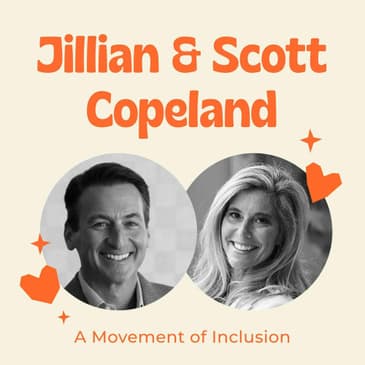
From Classrooms to Communities - Parents Visionary Journey in Education, Living, and Advocacy for Inclusion and Epilepsy Funding with Jillian and Scott Copeland
Jillian and Scott Copeland are husband and wife, advocates and pioneers who have transformed their personal journey of having a child diagnosed with epilepsy. They have taken off on a quest to create supportive and inclusive environments for kids with disabilities and founded a school, an inclusive living community and the Epilepsies Action Network. They're a force also shaping the policy landscape.
EPISODE HIGHLIGHTS
Can you first tell us about yourselves and your family?
Our journey started about 30 years ago and we've had four sons. Our third son, Nicol, is about to turn 25 years old and when he was 8 months old, he had a prolonged seizure for over two hours and it took us on a different parenting journey than we expected. Since then, we've raised our children together and explored opportunities and possibilities for Nicol, which took us down the path that brings us to today. Our journey with Nicol has given our family a lot of meaning and purpose and it's been an amazing journey.
Given that genetic testing hasn't revealed answers for what has caused his epilepsy, how have you managed to navigate the uncertainty and maintained such positivity and strength?
Nicol is the lead, the model and we follow his example. Nicol is a wonderful model and he shares a lot of love and joy. He will have a terrible seizure, have to be medicated, feel awful after and wake up the next day with joy. We've had to manage fear and worry, but we take on Nicol's "the sky's the limit" and "can-do" attitude. We don't have the power to control or change a lot, but we do have a choice in how we see it and how we live life. We're both controlling people, but we had to come to terms with what we couldn't control. We'll keep living to the fullest and sharing and feeling love the best we can.
Can you tell us about The Diener School?
When Nicol was six, he was attending a school that wasn't the best fit for him and we decided to start a school. We found great partners and professionals to help us and we started The Diener School in 2007. The school is a multi-sensory experiential approach with very talented educators, therapists and behavior specialists who work with the kids and with each other. There are elements of the connection of movement and learning, social thinking and other essential curricula and strategies needed for kids who don't learn traditionally and learn through the senses.
What is Main Street all about?
Main Street is a 70 unit building in Rockville, Maryland where 25% of the units are set aside for individuals with disabilities and 75% of the units are affordable, serving households at 60% or less of the area's median income. On the ground floor, there's a 10,000 square foot community space and it's an inclusive environment open to anybody through membership. It's a place for people to find their happy, to be a part of a community and feel like they belong.
What is the Epilepsies Action Network?
Epilepsies Action Network brings together a widespread community of epilepsies in one unified voice to lobby the federal government for funds for the epilepsies because it's an under-funded disease, and as a result, there haven't been a lot of treatment advances or breakthroughs.
LINKS AND RESOURCES MENTIONED
ONCE UPON A GENE - EPISODE 224 - The Complicated World of ICD10 Codes with CEO and Co-Founder of SLC6A1 Connect - Amber Freed
https://effieparks.com/podcast/episode-224-the-complicated-world-of-icd10-codes-with-ceo-and-co-founder-of-slc6a1-connect-amber-freed
Epilepsies Action Network
https://www.epilepsiesactionnetwork.org/
Rare Epilepsy Network
https://www.rareepilepsynetwork.org/
The Diener School
https://thedienerschool.org/
Main Street
https://mainstreetconnect.org/
[00:00:00] I'm Effie Parks. Welcome to Once Upon A Gene, a podcast. This is a place I created for us to
[00:00:10] connect and share the stories of our not so typical lives. Raising kids who are born with rare
[00:00:15] genetic syndromes and other types of disabilities can feel pretty isolating. What I know for sure is
[00:00:22] that when we can hear the triumphs and challenges from others who get it, we can find a lot more
[00:00:27] laughter, a lot more hope and feel a lot less alone. I believe there are some magical healing powers
[00:00:34] that can happen for all of us through sharing our stories and I'll take all the help I can get.
[00:00:43] Once Upon A Gene is proud to be part of Bloodstream Media. Living in a family affected by rare and
[00:00:49] chronic illness can be isolating and sometimes the best medicine is connecting to the voices
[00:00:54] of people who share your experience. This is why Bloodstream Media produces podcast, blogs and
[00:01:00] other forms of content for patients, families and clinicians impacted by rare and chronic diseases.
[00:01:06] Visit bloodstreammedia.com to learn more. Hi there and welcome to the show. This is Once Upon A
[00:01:11] Gene and I'm your host Effie Parks. I hope you can hear me okay. I am in Montana for Spring Break
[00:01:18] and they don't have the World Wide Web in Montana so I'm holding up this transistor radio and I'm
[00:01:24] standing on the top of my parents' roof. So I hope this message is getting to you.
[00:01:29] I have such a great episode for you today but before you listen to this put it on your list
[00:01:35] or go back and make sure you check out episode 244 right before this with our friend Amber
[00:01:40] Freed from SLC 6A1 where we're talking about the importance of ICD-10 codes which is an
[00:01:47] internationally accepted diagnostic code used to describe and track our rare diseases.
[00:01:52] Super important so go check out the episode there's a call to action, there's an editable template
[00:01:57] for you to send off to your state representatives so please go check that episode out.
[00:02:02] Okay today I think I found one of my new favorite couples you're gonna love them.
[00:02:07] They're so full of energy and passion and I'm just I was like glowing when I was talking to
[00:02:13] them because they made me so happy. A husband and wife, advocates and pioneers who have really
[00:02:18] just transformed this personal journey of having a you know a beautiful child who was diagnosed with
[00:02:23] epilepsy at just seven months old and they took off on a quest to create supportive and inclusive
[00:02:29] environments for kids with disabilities. So they founded a school, they founded an amazing
[00:02:35] inclusive living community and they also founded the Epilepsies Action Network. They are a force
[00:02:41] and their voice is so important and they have taken it to Capitol Hill. They're not only shaping
[00:02:47] right at home living for families and taking care of their loved ones but policy as well. So
[00:02:52] I hope you learn so much and get so jazzed by this episode, they're incredible and you're
[00:02:58] gonna learn a lot today so please enjoy my conversation with Jillian and Scott Copeland.
[00:03:03] Hi Jillian and Scott welcome to the podcast. Thank you happy to be here.
[00:03:08] Thank you. Thank you very much. Yes, so we were connected by our friend Eileen over at the Rare
[00:03:14] Epilepsy Network and she sent me a big old list of all the magical things that you're doing and I was
[00:03:19] like uh excuse me what time is it? Are they eating? I'm really looking forward to digging in and
[00:03:26] sharing some of the resources that you have so kindly built. So can I please just get a
[00:03:32] brief introduction of the two of you and a little bit about your family? Sure. So I'm
[00:03:36] Jillian. This is my husband Scott and thank you again for having us. Well let's see our story
[00:03:42] really starts 30 years ago but since then we've had we have four sons and we are here mainly to
[00:03:49] talk about our third son, Nickel who's about to turn 25. When Nickel was eight months old he
[00:03:55] had a very long prolonged seizure over two hours and it started you know a different type of
[00:04:01] parenting journey for us and a different type of maybe even seeing community through a different
[00:04:07] lens maybe through Nickel's lens. Since then we've embarked on well raising our kids together
[00:04:13] obviously and exploring opportunities and possibilities for Nickel over the years and it's
[00:04:20] you know led us to lots of different paths that I think we're going to talk about today.
[00:04:24] Surrounded by a bunch of stinky boys Jillian. Well yes you know what they're actually not
[00:04:30] stinky well maybe one I think I'm more stinky than they are truthfully honey would you agree?
[00:04:38] She loves all the boys. Cute how about you Scott? A similar path I mean in my profession I'm a
[00:04:46] affordable housing developer real estate developer and which has helped us along
[00:04:52] the way actually with some of the projects that we've been working on of late but yeah it's
[00:04:56] been a it's been a very interesting journey with Nicholas over the years it's given our family
[00:05:04] certainly me and I think I speak for Jillian a lot of meaning and purpose and seeing the world
[00:05:10] through a completely different way than perhaps I expected to when we were having our third son
[00:05:14] but it has been an amazing journey he's a light for us and for our entire family our
[00:05:22] extended family he's having a 25th birthday party with friends and family that that may number in
[00:05:28] the hundreds I don't even know how many people are going to come. He has been our our inspiration
[00:05:34] and our motivation for a lot of things that we do and really a foundation of our family and our
[00:05:41] other three boys have embraced that and their partners have embraced it and you know we feel
[00:05:49] blessed that he is in our lives and has allowed us to see things a little differently so it's been
[00:05:57] very special. That's so beautiful thank you I love Nicholle's name and I hope to see pictures from this
[00:06:03] birthday bash that sounds fair enough but we can make that happen. Cool so I remember when Eileen
[00:06:09] mentioned you she said that Nicholle has had extensive genetic testing and at 25 still
[00:06:16] there's no underlying answer for anything of what has caused his severe epilepsy how have the two of
[00:06:22] you managed to sort of to navigate this uncertainty and like maintain such positivity and strength
[00:06:29] throughout it all? That's a great question well I would start with that we Nicholle's the lead
[00:06:35] here he's the model and we follow his example and he will have a terrible seizure and he'll
[00:06:42] have to be medicated and he'll feel awful after and he'll go to sleep in the next day he wakes up
[00:06:47] with joy and sunshine usually and and he's the lead for us we've had to manage a lot of things
[00:06:56] over time for me maybe more so than Scott. Fear is a big one you know maybe some lots of worries
[00:07:05] over time and again just taking Nicholle's lead the I can do attitude the the sky's the limit
[00:07:13] and I think that really is is how we feel that we we don't have the power the control to change
[00:07:20] lots of things that we wish we could but we do have a choice in the way that we see it
[00:07:25] and how we live our life and we're going to live to the fullest and share the love
[00:07:32] that we can and feel the love that we can and you know that that's how we live life and it's
[00:07:36] really a beautiful thing. Yeah I agree I think that we've been we have very early on by the way
[00:07:43] we came to terms with the things that were just not in our control and and we're both very
[00:07:48] controlling people by the way so so it's not it was not an easy reconciliation but I think
[00:07:55] when we when we kind of got our heads around that there's just there's just certain things
[00:08:00] and Nicholas too by the way he you know has development delay developmental delays along
[00:08:05] with this but he he understands that that there are just things that we cannot control
[00:08:12] and that you just have to work around them and and I and I think that he has really been
[00:08:19] an amazing model and honestly I think that you know he he shares a lot of love and a lot
[00:08:24] of joy but but I think that the people that really know him friends and family that really
[00:08:29] really really understand him and know him you know have a great appreciation for that that he's
[00:08:34] just come to terms with the fact that there are things that he cannot control
[00:08:38] and um but he's going to keep going and and so it's it has been a great inspiration for us
[00:08:44] and for the people around them. Oh yeah absolutely I think that's one of the most
[00:08:48] special things to watch right is sort of the difference that it makes in other people.
[00:08:52] Yeah I connect so deeply with what you said about choice and how how we can choose to move
[00:08:58] through this if we if we really want to look at the big picture so I love that you said that.
[00:09:03] I think you're just doing this podcast as a choice and it's a great one.
[00:09:06] Yeah it's really awesome. Thank you. You know Eileen called you both disruptors which I'm
[00:09:11] going to have to disagree with her on. I would say that this is like some magical change maker
[00:09:17] instead we're going to talk about three really profound things that you have worked on in
[00:09:23] Nichols honor and one of which is a school I'm probably not going to pronounce it correctly.
[00:09:29] Diner Deener school? Deener yep. So so tell us a little bit about that and maybe Nichols experiences
[00:09:37] needs that influenced the founding of the school. So I guess when Nichol was six he uh he attended
[00:09:44] a school which is a great school for a lot of kids it wasn't particularly the best fit for him
[00:09:50] and you know one day I you know it's coming home from the school and frustrated and you know maybe
[00:09:56] coming to terms with you know acceptance around hey this isn't going to work for him and I'm not
[00:10:01] sure there's anything out there that really will. And I called Scott and said you know at
[00:10:05] its time we need to start a school so luckily you know we're privileged we're smart I'm an
[00:10:11] educator by trade and we got it together in a couple months we found some really great
[00:10:17] partners professionals to help us and we started the Deener school in 2007.
[00:10:22] Nichol was seven at the time he attended the school and I ran the school for the first six years
[00:10:29] and cried a lot it was not an easy venture to take on and Scott was incredible and you know
[00:10:38] probably the quieter the quieter one but did almost as much work as I did
[00:10:43] on a balance everything especially the financial parts and just a support to listen to me which was
[00:10:49] really needed and helpful. And I think you know Nichol what he needed which was a what a lot of
[00:10:54] kids needed and still do is a more of a holistic education where educators are collaborative where
[00:11:02] they're built in therapeutic supports and interventions during your school day what I
[00:11:09] had found was you know pull him out of school and then take him to OT and PT and speech and
[00:11:14] nobody really talked with each other and I wondered like how is he skill building and
[00:11:18] applying these skills if nobody's working on the same things if nobody's talking to each
[00:11:23] other if we don't have mutual goals for him. And so that's what this school is about it's
[00:11:28] a multi-sensory experiential approach with very talented educators and therapists including
[00:11:34] behaviorists you know boots on the ground people working not only with the kids but also with each
[00:11:39] other and that really is the game changer. There are elements of the connection between
[00:11:44] movement and learning and social thinking and all of these really really essential needed
[00:11:51] curricula and needed strategies to use for kids that you know don't learn traditionally
[00:11:57] and learn through the senses so we are seeing some really amazing things at the school we're
[00:12:03] actually we're moving into our own building for the first time when we'll have a capacity of 120
[00:12:09] students we currently have 75 with 37 educators and it's a really neat place and I believe what
[00:12:16] it did for nickel was it gave him this very strong foundation on which to build it allowed
[00:12:23] him to like who he is and understand areas of need and also really appreciate and feel good
[00:12:31] about areas where he shines and that really is what the school did for him it gave him this
[00:12:37] childhood much like our others that you could it was a self-esteem builder and uh hey you know how
[00:12:43] do I think about my learning being met a cognitive how do I think about my thinking and it really
[00:12:48] turned out to be a beautiful thing our kid is quite social he's quite skilled and I'm not sure
[00:12:54] if he would have gotten to this place without that type of foundation. Talk about dreaming big
[00:12:59] I feel like that's one of those things that us as families kind of lie awake at night and worry
[00:13:04] about right is our kids education and experience at school and something else you said that really
[00:13:09] struck me was it made him like himself I love that so much. So tell us like where the school is
[00:13:15] and how families qualify to attend it and like is this funded solely through like a family business
[00:13:22] or do you have like state programs? We are we are not a funded program which means that
[00:13:27] we don't receive money from the state or the county it is private pay which is very difficult
[00:13:33] which is why we have a large amount of financial aid going to people who cannot afford to come.
[00:13:39] We chose to do this purposely because we wanted to maintain the quality of education and oftentimes
[00:13:46] I have seen over the years that when you are a program that is funded you're spending a lot
[00:13:50] of your time not with your students but on paperwork and on things that in my opinion just
[00:13:55] don't matter they're not going to benefit the student. So that is why we chose to not accept
[00:14:00] any money state or county money so it is expensive but it's probably very similar to other private
[00:14:08] independent schools in the area but you're getting a whole lot more just even by the ratio of
[00:14:14] teacher to student you know even and with all the other you know amazing kind of programs
[00:14:19] and therapists that are involved in this you know small little school we currently have 75
[00:14:24] students and we're hoping to have 120 next year and it's you know an application online at the
[00:14:29] denierschool.org and I can't tell you about the qualifications because I am not there day to day
[00:14:35] so I don't know exactly what they're looking for in a student anymore but I'm sure if you are
[00:14:41] looking out if you're out there looking for a school or an amazing environment for your child
[00:14:45] that learns differently definitely take a look and see if you it's an opportunity for you.
[00:14:50] Yeah it sounds amazing I'm like how do I pack up and move over there and get forward in school.
[00:14:55] It's pretty fantastic and we really had researched you know physically virtually all over the country
[00:15:01] to see what was out there we could have you know we had the we could have moved anywhere
[00:15:05] and we couldn't really find anything that was out there like this and I'm sure there are more
[00:15:10] schools out there now but there's nothing local that even touches Dean. There's nothing that I've
[00:15:14] ever heard of that remotely touches even this brief description of it no I bet it feels like
[00:15:19] just family at some point you know and not necessarily a school with pupils and educators
[00:15:26] but it's pretty close knit. Do you have off the top of your head by chance like a favorite story
[00:15:32] from something amazing happening there with the students? That's a great question I'll think
[00:15:37] about it. You gotta have a ton of stories my good idea. I mean it just sounds like a wonderland.
[00:15:44] Well while she while she's thinking about this story why she's thinking about the story I'll
[00:15:48] share with you that recently we we ran into some of Nicholas's classmates that you know are now also
[00:15:57] 25, 24, 26 whatever and just watching their journey through the educational process they've
[00:16:04] gone to some of them gone to college and they're out in their workforce. Some I think one went back
[00:16:09] to be a volunteer teacher a substitute teacher at Deaner and just watching that kind of growth
[00:16:15] and that's when the school had you know 12, 14, 18 students and so it's been an amazing thing to
[00:16:24] watch over honey how many years has it been? 17 years. So it's really kind of cool to watch it's
[00:16:30] been it's been really neat. Wow my cheeks hurt I'm smiling so much I love that. I'm not sure
[00:16:36] I have a really like a favorite story but there is one that sticks out that in our second year
[00:16:42] of Deaner the first year we started with five students we ended with 11, the second year we
[00:16:47] started with 26, the third 31, the fourth 40 so we gradually increased but in the second year
[00:16:53] we had a young man I think he was in third or fourth grade and you know he was slightly
[00:16:58] socially awkward and and he came in he was shy and worried and and he spent the day
[00:17:04] and afterwards at the end of the day when anybody would visit they would spend a little time
[00:17:09] a little in the afternoon with the admissions person just to sort of recap and regroup and
[00:17:14] Lois is our amazing admissions director just filled with heart and we happened to share an
[00:17:20] office at the time and I'm listening to her and she asks this young man you know wasn't a young
[00:17:25] man he was a boy she asks him you know how was your experience and he just looked at
[00:17:29] her square in the eye and he said um I finally found my people and I think that's one of my
[00:17:35] favorites that you you belong and everybody needs a place to belong oh my gosh I love that so much
[00:17:40] that's so so special thank you for sharing it so you two are like okay let's solve one of the biggest
[00:17:47] problems we have as parents who have kids with medical issues and disabilities at school and then
[00:17:53] let's solve the even bigger one that keeps all of us up at night for our entire lives which
[00:17:58] is what do we do when they're grown up and what do we do to prepare them for a future
[00:18:03] when maybe we aren't going to outlast them so you built something else called the hold on what's it
[00:18:10] called main street main street okay tell us about main street when Jillian ended her tenure as the head
[00:18:16] of school at dean or we took a little break and you know I don't know a year later a year and a
[00:18:22] half later she came in one day and said we have to build a housing project so there was a kind
[00:18:29] of constant theme that that ran through this and so after after a long period of research I mean years
[00:18:35] of sort of uncovering what what was out in the marketplace and again I mean almost internationally
[00:18:42] but certainly nationally you know Jillian really came up with a model that that was was what main
[00:18:48] street became it's a 70 unit building in Rockville which is a city in in Maryland and 25 percent of
[00:18:57] the units are set aside for individuals with disabilities and 75 percent of the units are
[00:19:03] affordable meaning that it's serving households that are in 60 percent or less often case 50 percent
[00:19:09] or even 30 percent of the of the area of median income and more importantly is on the ground floor
[00:19:16] is about 10 000 square feet of community space and then the the secret sauce of everything is
[00:19:22] Jillian and her team in the nonprofit that that runs you know countless programs and and opportunities
[00:19:30] for everybody it's an inclusive environment so it's not set aside for anybody it's it's it's
[00:19:37] available for everybody and it's really you know kind of you know in a nutshell it's a place
[00:19:43] it's a continuation of Deena in a way but it's really a place for people to you know find
[00:19:47] they're happy to really you know be a part of a community and to belong and and it's uh basically
[00:19:55] has become our fifth child in a lot of ways um it is a it is a very very very special place and
[00:20:02] you know the the stuff that the building is fantastic that that was kind of the easy part
[00:20:07] but but the everyday just is really moving needles and changing people's lives and
[00:20:14] giving opportunities and it's it's it's great it's really a magical place um and I know Jillian
[00:20:20] could go on and on about it and and I hope she will but that that's a kind of background for
[00:20:25] for us starting it yeah I mean all of us families talk about it all the time of making a compound
[00:20:30] for our kids right yeah like this school and this living community definitely sounds either
[00:20:37] like a beautiful dream come true or science fiction I gotta tell you because nobody else
[00:20:42] what are some of the obstacles in creating more initiatives like this like how can
[00:20:47] how can we make this bigger how can we make more of these yeah that's a great question
[00:20:52] the obstacles money for sure um and how we can make more uh where we're working on that
[00:21:00] at main street we do we do a couple things Scott mentioned the living and our community center
[00:21:05] space we are you know we are an apartment building and um we are a community center
[00:21:12] membership based community and although anybody can join anytime you don't have to be a member
[00:21:18] but members get priorities and discounts and you know whatnot and we have about 250 members
[00:21:23] that come and join us for activities in different tiers of membership but I think what's important
[00:21:28] to note about main street is that it's not just there the ground floor that the community center
[00:21:36] the programs around education learning movement connections stimulation engagement all of these
[00:21:43] things are for everybody of all ages stages and abilities not just for residents of main street
[00:21:49] when Scott and I sat down and we you know sort of back in the envelope that's a term he
[00:21:54] often uses said you know what's pie in the sky what what what do people need you know I've interviewed
[00:21:59] 80 adults with disabilities and their families to ask them how do they want to live what do
[00:22:04] they need to make their life richer more meaningful more connected and that's how we shaped the
[00:22:10] spaces at main street that's how we designed the building mainly so there are 250 plus members who
[00:22:19] come in and out some daily some weekly some monthly some quarterly that join us for engagement but only
[00:22:26] 40 people out of the 250 actually live at main street so I think that's really important to note
[00:22:33] that our pillars of main street are whether it's programming whether it's housing you know you're
[00:22:39] living there there are pillars are inclusivity accessibility and affordability and quite frankly
[00:22:46] you can't have inclusivity without the other two you know that's how I feel and very strongly about
[00:22:51] that too so we do the living very well you know we have about 58 people that live at main street
[00:22:57] who have self identified or the parents have identified them as having a disability out of
[00:23:02] about 105 110 people in the building so it's a little more than half we have 250 members that
[00:23:08] come in and out part of our programming and community engagement we offer 10 to 12 weekly
[00:23:15] programs everything from cardio dance party to zumba to baking classes to get social working on
[00:23:22] social skills I mean we we have again everything for any passion purpose interest meaning whatever
[00:23:29] you want we we are we are bringing all different kinds of people together to talk about all different
[00:23:35] kinds of subject we talk about the intersection between race and disability we talk about
[00:23:42] you know with the workforce development and what that looks like we talk about communications and
[00:23:46] marketing and accessibility in our communications and marketing so we provide a lot of different
[00:23:51] subjects and topics for a lot of different people which is really amazing and the third
[00:23:56] part of what we do and this is a long answer to your very short question but the third part
[00:24:01] of what we do is education and advocacy and that is because we understand this is really really
[00:24:07] difficult to do and so we have to advocate for more affordable housing with the disability
[00:24:12] narrative so that affordable housing is is built but there are set-asides and designated spaces
[00:24:18] for a designated housing for people with disabilities most people with disabilities
[00:24:22] do not live independently because of the barriers which are affordability and accessibility
[00:24:28] and that is just shameful I think it's shameful and you know not giving people an
[00:24:32] opportunity to live a life of choice and independence is just something in this day and age
[00:24:37] that just shouldn't be there it's pretty disgraceful in my opinion so part of our job is not just
[00:24:43] providing opportunities for people to live independently with choice providing community
[00:24:48] engagement but also this education and advocacy around the number of staggering numbers of
[00:24:54] people with disabilities and other issues you know mental health issues as well that are
[00:25:00] looking for inclusivity affordability and accessibility and so we're doing that in many
[00:25:05] different ways we work with inclusive houses around the country we work locally with
[00:25:11] with inclusive houses in Maryland DC and Virginia we're really trying to go to our
[00:25:17] you know lobby our politicians to say hey we need some more of this we're going to state
[00:25:22] local and federal people to say you know this is this is the data that we've collected at
[00:25:27] Main Street we know that our residences that live at Main Street that we are improving the
[00:25:33] quality of their life it is a statistical significant difference from before they moved to Main
[00:25:39] Street to after they moved to Main Street they are their lives are improved they are enjoying
[00:25:45] life they like their community that they're living in they feel healthier they feel more connected
[00:25:51] and so do our members by the way so it isn't just about independent living a big part of this is
[00:25:57] feeling this wrap around community engagement and support and I'm just going to top it off with
[00:26:02] one more thing which is Main Street is the first around the country to offer this type of living
[00:26:10] and and the reason is because we have a mantra that's it's called BYOI as the acronym bring
[00:26:15] your own independence and that means whether you get an apartment at Main Street and you live there
[00:26:20] or you don't get an you haven't gotten an apartment or you don't want to live
[00:26:24] you know there you want to live somewhere else but you want to join us for programming and
[00:26:27] community engagement then you bring your own independence with you and that may mean that
[00:26:32] you bring a mother or sister a caregiver a brother whatever or it may be something physical
[00:26:37] that you need to help you access our programs you bring that with you we don't provide
[00:26:42] any one-to-one supports at Main Street we have a huge staff of nine we run amazing programs
[00:26:49] but if you need that extra additional support to achieve independence you bring that with you and
[00:26:54] this mantra kind of came by chance a parent brought it to us and now that it's happening
[00:27:00] our parents including Scott and I are seeing our children rise to a level that we never ever
[00:27:07] thought they could rise to at least for us at a young age of 25 you know our son is living
[00:27:13] independently and some of that is because he comes down he feels safe there's a sense of
[00:27:18] community efficacy people know his name there is a place where he belongs and all of these things
[00:27:24] are you know not only determinants of health but they're just really essential in people living
[00:27:29] a quality life oh my gosh you just filled my cup seriously um I feel like I just went to church
[00:27:34] preach Jillian wow I think this is really gonna spark a lot of people to stand up and help
[00:27:39] and see how they can make a difference in this area and I'm I'm really just mystified
[00:27:43] as to how you've accomplished it and just a little speechless really well I'm very bossy and so um that's
[00:27:50] how we've accomplished I have a I have a hugely talented and very efficient husband even though he
[00:27:56] hates when I talk about him but it's true and so I think you know you we built a task force
[00:28:02] of people local people who were very engaged and we said to them look I mean most of them
[00:28:07] I think 19 out of 20 of them had a kid with a disability and that just it just makes you fierce
[00:28:14] right sadly but it does and we we sat down with them and said look we want to do this but we need
[00:28:20] all of you we need your families your friends your colleagues your voices we all have to do
[00:28:24] this together and that's how it happens it's organic amen who's in charge of making a tv show
[00:28:31] slash a documentary out of wonderland main street yeah how about you why don't you bring it
[00:28:37] you know my friend daniel defabio from the disorder channel sort of close to you I feel like we need
[00:28:43] to send him down and get some footage of this all right bring it on Daniel I mean what if the world
[00:28:48] could see this right because nobody they don't know about this and and by the way Effie the world
[00:28:54] should see this and I'll tell you why because it's not about disabilities and it's about connection
[00:28:59] it's about kindness it's about dignity and respect and if you build places like this we will have a
[00:29:06] kinder softer more dignified community and we wouldn't have all the shit that's going on here right
[00:29:11] now in the world we really wouldn't amen oh my gosh I have chills on my body usually I do that to
[00:29:18] people in a very bad way oh yes trust me we all know the other side of a rare parent
[00:29:26] okay and here's our third thing yes there is a third thing tell us about the you found it something
[00:29:35] called the epilepsy action network tell us about that the epilepsy's action network is
[00:29:41] another group of very committed mothers and me came together actually a group of people that
[00:29:50] had been very close in the epilepsy space for a long time had had sort of a kitchen cabinet
[00:29:55] discussion about what could we what would we do if we had the ability to get more funding from
[00:30:03] the federal government or from other sources you know what is it that we can do in research
[00:30:09] development and you know patient care and family care and all these things that that
[00:30:15] you know dramatically impact people individuals with an epilepsy and it's epilepsy is plural
[00:30:22] because as you are well aware now there are you know many many rare forms of epilepsy
[00:30:30] and so again in an inclusive nature we're trying to bring this relatively fractured
[00:30:37] of getting better but sort of fractured community together with a singular voice
[00:30:43] in in a lobbying the federal government to provide more funds for the epilepsies and you know epilepsy
[00:30:52] impacts one in 26 that's the number I would argue it's probably much higher than that candidly
[00:30:59] half a million of the three and a half million or 3.4 million people that have epilepsy are
[00:31:04] children and it's an underfunded disease in the economic impact is enormous 50 billion dollars a
[00:31:12] year I think is 58 billion dollars some some number that is astronomical and unfortunately
[00:31:20] there hasn't been you know great breakthroughs there have been you know some advancements
[00:31:26] in in in medication and research etc but we have a long long way to go and so the opportunity was to
[00:31:36] again get get the community together hit congress up for our fair share I think I think that may
[00:31:43] be where Eileen you know referenced the word disruptor we we we want to look at that as a positive
[00:31:49] sort of sort of rattle the cage a little bit and get a little more attention and in the couple
[00:31:54] years that it's been in it's pretty slow moving because you're dealing with congress but we've had
[00:32:01] some huge successes we have a caucus both in the rep in the House of Representatives and on the Senate
[00:32:08] side which matters quite a bit because you have champions now elected officials that are champions
[00:32:14] of the cause we just learned yesterday that in the in the bill that was you know finally passed
[00:32:20] that language that we had asked for was was actually put into the HHS side of things the
[00:32:29] health and human services side of the budget which we are very excited about we have a great plan
[00:32:34] looking forward for the next couple of years that that hopefully we can really really move a needle
[00:32:40] and get a get a national plan for the epilepsy's that that you know again incorporate all
[00:32:47] segments and get a little bit more direction and assistance with some federal funding that I think
[00:32:53] can really really move the needle and people need it and it's our time you know and now's the time
[00:32:58] it's it's our turn and and we we need to we need to make some stuff happen and I think we will
[00:33:05] you got that right I think my mother-in-law is going to be very intrigued by this part of
[00:33:09] the show she's worked in policy her whole life so I'll make sure she checks it out because
[00:33:13] maybe she can help you yes we would love it Effie I'm going to give you the the quick down a dirty
[00:33:19] lowdown of how this really got started because Scott won't so Eileen the fabulous and talented Eileen
[00:33:26] Miller who really is is moving this train forward and is brilliant she was at a party with us
[00:33:32] and some might say she got my husband drunk and took advantage of me because on the way home
[00:33:40] in the car Scott says to me uh oh I don't know what I got myself into with Eileen and I said I do
[00:33:47] so and Eileen called me the next week like guess what I think this might happen so
[00:33:52] that was a really beautiful thing but the truth is that you know we've been living with epilepsy
[00:33:57] for almost 25 years now and I mean my voice might crack because you know as you know and many
[00:34:03] other listeners who either have epilepsy or have a child with or sibling with epilepsy or family
[00:34:09] member with epilepsy um it's some hard stuff and the unpredictability and uh you know for us
[00:34:17] you know nickel requires medication to get him out of a seizure which means someone always has
[00:34:21] to be with him because he can't medicate himself and you know the brain surgery and the visits to
[00:34:27] the doctors and the meds I mean we're on five anti-seizure meds and many others too just
[00:34:32] to balance the mind and you know it's a it's a difficult thing and you know again we choose to
[00:34:38] look at this as a as a beautiful life experience but it's a hard a hard experience for him and
[00:34:45] oftentimes for us too um and so you know nickel is really the crux of you know a lot of the things
[00:34:52] we do and I'm so grateful to Eileen for knowing the landscape of epilepsy and knowing
[00:34:57] that they're all these amazing players in this space um they're brilliant brilliant and talented
[00:35:03] minds but if you don't have a collective voice and you don't collaborate and you're not unified look
[00:35:08] it's just like why I started the deaner school then we are not moving this train forward in the
[00:35:13] in the way that we need to and we looked at um you know other organizations ALS and
[00:35:19] Alzheimer's and MS and we thought like okay these are neurological diseases that are
[00:35:24] impacting lots of people and boy do they deserve to get their share because there are terrible diseases
[00:35:30] but epilepsy isn't getting much and we think it's our time and we think it's it's time where all of
[00:35:37] these brilliant and talented people and organizations that do so much good work make a commitment
[00:35:43] to move this forward together and we believe and look many representatives in congress told us
[00:35:49] you guys need a collective voice you know you're not going to get anything until you do
[00:35:53] so we are just an additive the epilepsy's action network is an additive we hope that we can move
[00:35:58] the needle and bring awareness and make some really positive changes so you know like I don't
[00:36:04] have to worry about my kid waking up every morning you know and all the children out there
[00:36:09] they're being diagnosed with epilepsy you know maybe they have a chance of a real future um
[00:36:14] and and that's our goal well thanks to Eileen for letting everyone know how they can take
[00:36:18] advantage of scott if they have a big idea I mean really that's not really important yeah
[00:36:25] exactly that's a good thing to know and you know and I also will say that you know I'm not in the
[00:36:30] political space but we've learned so much about we we've been on Capitol Hill we've had briefings
[00:36:36] and stories and meetings with other task force members who are on the epilepsy action network
[00:36:43] task force with us and hearing other voices and building these caucuses and and having so many
[00:36:49] people really listen and care and showing compassion I mean it's really it's really a beautiful thing
[00:36:56] we've built relationships with so many different agencies because I think what people forget to
[00:37:01] is like epilepsy affects it impacts everyone across all ages and stages and backgrounds
[00:37:09] and socioeconomic you know places and and so you know it's we need we need to to build trust
[00:37:18] amongst people we need people to hear the stories and you know we have some really big goals but
[00:37:24] we're on our way there and we're really excited about it so we if one thing people listeners
[00:37:29] can take away I mean of course you got to go to Main Street Connect.org and the Deener School.org
[00:37:35] and the epilepsy's action network.org I'm assuming that's the website I don't even know
[00:37:40] but what we really want people to do is you know contact your local representatives and let them
[00:37:46] know that you you're you or your child or a family member or you care about this issue
[00:37:51] and we and you want them on this epilepsy caucus. Yeah and and I want to add to that that
[00:37:57] you know that one of the really the most enlightening things for me personally anyway
[00:38:02] is that this is a bipartisan issue as Jillian said the epilepsy's impact everybody but the support
[00:38:09] that we are getting at on Congress and from staff members and others it's on both sides
[00:38:16] it's Democrats and the Republicans and it's a really nice thing to see that that there is a
[00:38:22] everybody's nodding favorably it's slow and it's not going to happen overnight but but there's
[00:38:28] there's this kind of connectivity that that gives you a hope within a hope that that there's
[00:38:34] that there is some commonalities amongst all of us that when we all come together
[00:38:40] we can solve really really big problem and look the the easy part on Congress is giving money
[00:38:46] because that's just giving money from there the all the clinicians and the researchers
[00:38:52] and the caregivers that's where that's where the national plan for the epilepsy really starts
[00:38:58] and and really starts to move the needle for not just here in this country but around the world
[00:39:03] so but it but it's been a really wonderful thing to see everybody kind of coming together
[00:39:09] and and and nodding favorably that that yeah we we need to make a difference and and we
[00:39:14] together can do it so it's it's it's been a nice experience so far really it's really
[00:39:19] it's time man it is time it is time to jump on board this train because we are moving amen yeah
[00:39:25] we are going to make a difference and and really really smart too to just take advantage of the
[00:39:30] playbook right from Parkinson's and ALS 100 right it's the only way it's going to get across
[00:39:35] the finish line and people telling their stories about the level of this chronic stress and
[00:39:40] vigilance that one the whole entire family lives like you said under these circumstances
[00:39:45] when you mentioned encouraging people to write their congressman and their state representatives
[00:39:50] do you happen to have like a print off like template people can use from your website where
[00:39:55] they can plug in their own name and state and not have to think about writing it right like don't
[00:40:03] you think you could get 100 percent more input from families if they didn't have to do the
[00:40:07] work yeah and if they could just be 100 boom boom send it off yeah yeah and guess what I
[00:40:13] imagine the first second that Eileen Miller listens to this it's already gonna awesome okay
[00:40:18] printable PDF coming soon hopefully we'll have a link in the show notes by then yeah I think that's a
[00:40:24] great suggestion and and yeah it will make a big difference for sure yeah well I really appreciate
[00:40:29] all this policy work it's hard for me to stomach bureaucracy but I know how important it is and
[00:40:33] I really appreciate it because I know it's like moving at a glacial pace but it's so important
[00:40:38] that we all get loud and work together around this yeah okay well I guess like give me some advice
[00:40:44] for families you know who are facing similar challenges who feel like there's no way I can do
[00:40:49] anything there's no way I can even like get up in the morning and not even just completely be
[00:40:53] surrounded by caregiving duties like how can those people who are sort of in the trenches
[00:40:58] who feel a little hopeless and maybe don't even have an idea either of what's causing their
[00:41:02] loved ones epilepsy like what advice would you give that family I don't know that I have advice
[00:41:08] necessarily to give I think I would just want them to know that we see them and we hear them
[00:41:17] and we feel their pain and that there are people out there that you know want to help you through
[00:41:27] and that are praying for you and I hope they feel the love and I hope they they feel the hope
[00:41:34] because I think we all need hope especially those in the trenches that are doing this day-to-day this
[00:41:38] really hard work a real label or labor of love and we are going to do this so it may take a bit
[00:41:47] but see the light and feel the hope and feel the love how about you Scott love hope
[00:41:53] stay positive you know try to see beyond the moment in that that you know there will be a brighter day
[00:42:01] even though some days are dark they are but but they are not alone and you know we'll you know
[00:42:10] we're all there for each other to kind of to work work our way through these kinds of things
[00:42:15] I love so much of what both of you answered in the quote-unquote advice because you
[00:42:20] really really profound profound small things that bring immense relief to families who are
[00:42:27] going through it so thank you okay anything that you're excited about for the near future slash
[00:42:33] how can people show up and contribute you know I think what what what I'm most hopeful in the
[00:42:37] near term and even look we're things at Main Street are fantastic and it's going great and
[00:42:43] and we're exploring doing some other you know some others potentially and that's exciting
[00:42:48] I think on the epilepsy action network I'm really really excited about the team that we built
[00:42:55] already we have some some great professionals that are that are guiding us through this this
[00:43:00] advocacy stuff and I'm excited about the team that is to come because because it because
[00:43:06] people are joining and really putting their money where their mouths are their expertise
[00:43:10] where their mouths are and it matters I am really really excited about that
[00:43:16] and I don't know maybe it's because it's spring and it's a it's that things are blooming I'm looking
[00:43:21] out the window right now at a tree in our front yard that's looks great so you know I'm very hopeful
[00:43:28] about that the things that are to come um in the in the epilepsy uh in the epilepsy's work so
[00:43:35] excited about that I guess that's what I'm most excited about coming up awesome well I'm obsessed
[00:43:41] with both of you and I'm so grateful for you thank you so much for everything that you've done
[00:43:47] thank you Effie and we're so grateful to be we're so grateful to have our voices shared and we're
[00:43:53] so grateful that you share so many voices and we love listening so keep doing what you're doing
[00:43:59] congratulations on all the success it's really impactful it really matters so keep it up yeah
[00:44:05] oh man okay well cheers two five o'clock thank you cheers okay thank you so much thanks for everything
[00:44:12] bye bye I hope you've been enjoying this podcast if you like what you hear please share this show
[00:44:18] with your people and please make sure to rate and review it on iTunes or wherever you get your
[00:44:23] podcasts you can also head over to Instagram Facebook and Twitter to connect with me and
[00:44:29] stay updated on the show if you're interested in sharing your story or if you have anything
[00:44:34] you would like to contribute please submit it to my website at effieparks.com thank you so much for
[00:44:40] listening to the show and for supporting me along the way I appreciate y'all so much I don't know
[00:44:45] what kind of day you're having but if you need a little pick me up Ford's got you
[00:45:04] um