

ONCE UPON A GENE - EPISODE 184
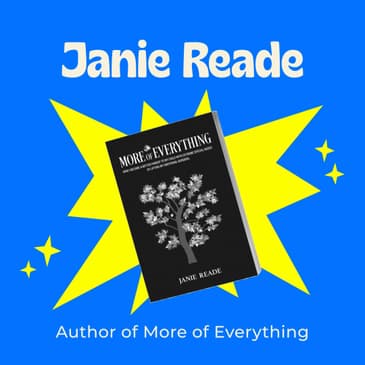
More of Everything - How I Became a Better Parent to My Child With Extreme Special Needs By Lifting My Emotional Burdens With SYNGAP1 Mom - Janie Reade
Janie Reade is an author and mom to three adult sons, one with a severe neurodevelopmental disorder caused by a mutation in the SYNGAP1 gene. We'll talk about her unique perspective as a parent and also about her book, More of Everything: How I Became a Better Parent to My Child with Extreme Special Needs by Lifting My Emotional Burdens.
EPISODE HIGHLIGHTS
Tell us about yourself and your family.
I am married with three adult sons. Joey is our second child and he lives in a group home. When he was younger, he wasn't developing as he should and started biting his hand. When he was little, he wasn't hurting himself, but as he aged stress made biting worse and there was little I could do to help. After he went to a group home, he stopped biting a couple days later.
Can you talk about your book?
The goal of the book was to show who I am and how I think. The first portion of the book is a series of vignettes starting at age four, going through age 21. At the end of each is a looking back section where I summarize about that time and a lesson section about my takeaways. I also talk later in the book about acceptance and frustration. Finally, I talk about parent coaching, which is what I do.
Growing up with Joey, did either of your other two sons grow up and go into a compassionate-led career?
No, but they're both very compassionate and emotionally-aware people. My oldest son volunteered as a peer counselor when he was in high school. It was a way for him to talk to people and help them through problems. He has a very emotionally deep soul. My youngest son has always been very inclusive and a connector of people. After Joey moved and I was very sad, my oldest son told me that our family was a group project and that, just like in a group project, we had to do what was best for everyone.
How did you find community support and what did it change for you?
I tried support groups and they weren't a good fit due to the severe intellectual disability my son has. When he was younger, I was told he would catch up, so I didn't fit in an intellectual disability group either. I didn't find people for a long time.
LINKS & RESOURCES MENTIONED
The Two Disabled Dudes Podcast - Episode 215 – Birthday Parties Can Be Tough
https://twodisableddudes.com/215-birthday-parties-can-be-tough-with-guest-host-effie-parks/
https://www.thedisordercollection.com/
Emotional Agility: Get Unstuck, Embrace Change, and Thrive in Work and Life
https://www.amazon.com/Emotional-Agility-Unstuck-Embrace-Change/dp/1592409490
https://www.amazon.com/More-Everything-extreme-special-emotional-ebook/dp/B0BQ2C7HNL
TUNE INTO THE ONCE UPON A GENE PODCAST
https://open.spotify.com/show/5Htr9lt5vXGG3ac6enxLQ7
https://podcasts.apple.com/us/podcast/once-upon-a-gene/id1485249347
https://www.stitcher.com/podcast/once-upon-a-gene
https://overcast.fm/itunes1485249347/once-upon-a-gene
CONNECT WITH EFFIE PARKS
https://twitter.com/OnceUponAGene
https://www.instagram.com/onceuponagene.podcast/?hl=en
Built Ford Tough Facebook Group
https://www.facebook.com/groups/1877643259173346/
Interested in advertising on Once Upon a Gene? Email advertising@bloodstreammedia.com for more information!
[00:00:00] I'm Effie Parks Welcome to Once Upon A Gene, a podcast. This is a place I created for
[00:00:09] us to connect and share the stories of our not so typical lives. Raising kids who are
[00:00:15] born with rare genetics and drones and other types of disabilities can feel pretty isolating.
[00:00:21] What I know for sure is that when we can hear the triumphs and challenges from others who
[00:00:25] get it, we can find a lot more laughter, a lot more hope and feel a lot less alone. I believe
[00:00:32] there are some magical healing powers that can happen for all of us through sharing our
[00:00:36] stories and I'll take all the help I can get. Once Upon A Gene is proud to be part of
[00:00:45] bloodstream media, living in a family affected by rare and chronic illness can be isolating
[00:00:51] and sometimes the best medicine is connecting to the voices of people who share your experience.
[00:00:56] This is why bloodstream media produces podcast blogs and other forms of content for patients,
[00:01:02] families and clinicians impacted by rare and chronic diseases. Visit bloodstreammedia.com
[00:01:07] to learn more.
[00:01:08] Hello friends welcome back to the show I'm Effie Parks your host I'm so happy to be here
[00:01:13] thank you for joining me. I had the opportunity to talk to my pal Sean from the two disabled
[00:01:19] dudes recently so please head over to whatever podcast app you prefer and check out the two disabled
[00:01:25] dudes podcasts in general but to hear my little conversation that I got to have with Sean. Also
[00:01:31] the disorder channel has dropped a new film called Life After Diagnosis Day it features a several
[00:01:38] of my favorite advocates of all time including Jennifer Sills and Melissa Hioko sorry if I said
[00:01:44] that wrong Melissa go check it out it's an awesome film of kind of like the where they now also pain
[00:01:49] points is that funny comedy show I've mentioned a couple times there are like five minute tops
[00:01:55] episodes and they usually just pick a topic and joke about it for a while has also some of my favorite
[00:02:01] advocates on it like Patrick's James Lynch and Kay Weaver and Billy Shore anyways go check it out
[00:02:07] they actually released two of those episodes on YouTube so if you don't have a fire or a roku
[00:02:14] you can go get a little taste of it over there on YouTube the disorder channel. So to today's
[00:02:20] episode I'm so excited I have a friend on the show a neighbor on the show a fellow rare mom
[00:02:27] on the show she's also an author and I'm so excited to introduce you to her if you haven't already
[00:02:33] met her and to let you know a little bit about her book it's really really special she's one of
[00:02:39] those moms that's further along in the journey than some of us listening her her child is an adult
[00:02:45] now so she has a very very very important perspective especially to the parents who are a little
[00:02:51] further behind anyways she wrote an exquisite book and let's see it's called more of everything
[00:02:59] how I became a better parent to my child with extreme special needs by lifting my emotional burdens
[00:03:06] you have to get this book I'll leave all the all the links in our episode notes today please
[00:03:12] enjoy my conversation with Singet mom Jayney Reed hello JR welcome to the podcast hi Fee thank you
[00:03:20] so much for having me I'm really excited to be here yes it is my absolute pleasure interestingly
[00:03:27] enough you and I met in like a what an angel aid kind of mom's retreat thing online during COVID yes
[00:03:35] and you said sin gap in when you were introducing yourself and I think I messaged you and I was like
[00:03:42] hello and you know we met a couple times after that and I met you in person finally at the
[00:03:48] sin gap conference last December in Nashville so that was very cool yeah so it's just an interesting
[00:03:54] road and all the enough you are also my neighbor we live in Seattle so that is so super cool it really
[00:04:00] is and I think you knew Mike pretty well by the time like when I said sin gap right you already knew a lot
[00:04:05] about because most people don't know much about sin gap so having you jump on that was really
[00:04:11] was really great yeah you were probably like who is this crazy stalker lady why does she know
[00:04:16] no it's like such a lonely road right you're like oh somebody knows something about this this
[00:04:20] let's go let's go friend okay well so for anyone who doesn't know sin gap obviously is such a machine
[00:04:28] in so many ways but it also produces these advocate these parents who are so highly motivated and so
[00:04:36] deeply involved and it's one of the most beautiful things to witness and it's so inspiring and
[00:04:43] everyone should follow their lead but J.R here my guest today my neighbor and friend is also an
[00:04:48] author and she's a mom who's a little further ahead in the journey than a lot of the families that
[00:04:53] listen to this show at least half of them her son is an adult living with sin gap and she's
[00:04:59] recently released such a gorgeous book called more of everything and I've read a lot of rare disease
[00:05:06] books and I've read a lot of I searched high and low for books before I started this podcast
[00:05:11] and especially before I started this podcast I couldn't find one that I did not want to just
[00:05:16] throw out the window there weren't a lot of books available that really spoke to me and this one
[00:05:23] especially spoke to me and I was telling J.R before our interview that I feel like I've said almost
[00:05:29] all the words that you put on the page that is such a it's like so nice for me to hear that because
[00:05:35] I guess my I tried to put myself on the page and put what I really thought because a lot of times
[00:05:40] we can't say what we're really think right and so I really tried to just take back all the editing
[00:05:46] you do all the self-editing all the self-sensory you do and just say what I really was thinking and how
[00:05:50] my thoughts have changed over time and so to hear that it resonated with you it was really it really
[00:05:56] makes me feel good. One of the reasons it resonated with me so much is because of the storytelling aspect
[00:06:01] of the format you know I love a good story but you did your book kind of like the vignettes right
[00:06:07] like each chapter is a vignette right it was an experience it was a memory it was a moment in time
[00:06:13] in being a mom and raising your boys and I think that it's so much more luxurious to read stories
[00:06:20] when you can put yourself in the setting right right okay let's do a little intro since I sort of
[00:06:26] forgot that part because we were just talking about your book but tell us a little bit about you
[00:06:30] and your family and your boys and then I actually kind of do want to just sort of break down your
[00:06:34] book a little with you. Yeah so JR that's me I am I live in Seattle I married I have three children
[00:06:42] they're all adult sons now all adult men and Joey is our second child so I was a scientist
[00:06:51] I stopped working with my first child and decided okay I'm at the point where I might as well
[00:06:59] just have my kids pretty close together and then go back to work so I had Joey's second and then
[00:07:05] he had delays and we were like well should we have a third or not so there's a whole sort of
[00:07:10] genetics story in there but we ended up having our third child without knowing what was going on
[00:07:15] with Joe and then and then I went back to work a little bit part time in science or not a little
[00:07:21] bit I went back to work part-time once the kids were in school but Joey's behaviors and stuff were
[00:07:25] so difficult that I couldn't really it couldn't really sustain that and so eventually Joey's
[00:07:31] behaviors his self-injury and aggression were so great that we ended up having him go to a group
[00:07:38] home which was really really good for him and really really devastating for me and I spent then a
[00:07:44] few years just trying to come to terms with that and be the best mom I could to the other two
[00:07:48] boys who are still at home and now they're all out of the house they're all adults so I found that
[00:07:54] writing was a way that I could kind of try to go back and say what what happened and who am I
[00:08:00] and how how am I okay with everything and that's what I did that's what the book is about for me.
[00:08:05] When did you start writing like as I was reading your book I was like did she journal like is this
[00:08:11] how she remembered these moments because when you started telling these stories I started remembering
[00:08:16] my stories right which is a natural thing that happens but I was like it's hard for me to get those
[00:08:21] memories if I don't have like something concrete so were you writing something down to remember
[00:08:26] the stuff later to have his like this content or did it just kind of flow through when you started
[00:08:31] writing. Yeah, I mean certainly I've like written on scraps of paper and I have about 30 you know
[00:08:37] journals that are a quarter of the way written and you know like I have I have a lot of stuff like
[00:08:41] that but when I really started writing was when I only had one kid left at home and he was in high
[00:08:48] school I decided to take a writing class like a fiction class and I don't know why I just thought
[00:08:52] I I don't know why who knows why we do these things I did and of course I can't I can't write fiction
[00:08:57] like I can't write a single I cannot think of a single thing that didn't happen so I just started
[00:09:01] writing things that had happened and so that's how it started was I just on a large took a fiction
[00:09:05] class and then I couldn't stop writing about what had actually happened so. This is a totally separate
[00:09:10] episode because it would require so many questions and really delving into it but you touched on the fact
[00:09:15] that Joey lives in a group home and I know so many parents kind of maybe like stopped breathing
[00:09:20] for a second when you said that yeah and want to know more and want to know how old he was and what
[00:09:26] you felt about that and how you came to that decision which we can definitely talk a little bit about
[00:09:31] and we can also have another episode if y'all want to hear J.R. talk about that decision that she made
[00:09:36] but maybe just kind of a sprinkle of it for now. It is early years he he just wasn't developing
[00:09:42] and he was really sweet and then he started kind of biting on the back of his hand and he wasn't
[00:09:48] he couldn't hurt himself and I couldn't get him to stop doing it like I knew that was going to be
[00:09:52] bad later you know when he was three and four doing that I knew that A. He wasn't hurting himself B.
[00:09:57] He was trying to communicate to me or you know maybe he was trying to communicate maybe
[00:10:02] maybe his hand itch you know like who knows and I knew that later that would be difficult right like
[00:10:06] you know that that once you're an adult that's not it that's not a behavior you can really sustain
[00:10:11] but no matter what I tried I wasn't really able to get him to stop doing that and then as he aged
[00:10:18] as he was in a school situation that was really stressful for him it just got worse and worse and
[00:10:24] he he got to the point where his hands were bloody and infected and and I was you know the doctors
[00:10:29] would tell me oh well keep them from biting his hands you know so I was holding him down on his
[00:10:34] on the bed with a blanket between us and you know like it was really bad and and he would fight me
[00:10:40] you know he would fight me and so we tried to get funding many many times and weren't getting it
[00:10:48] if your kids on any kind of meds you have a nurse line that you can call and so I would call
[00:10:54] and they'd always be like are you safe and I was always like yeah I'm safe yeah yeah safe I just
[00:10:58] don't know what to do right and then finally one day they're like are you safe and I was like no
[00:11:02] I'm not safe and it was that was the point like that's a that's kind of like a go-no-go situation
[00:11:08] which I wasn't really understanding you know as far as getting services and so this is my
[00:11:14] understanding of it anyway like I'm not a social worker I'm not a DDA person like I don't
[00:11:19] really know what was happening but that really seemed like it to me that as soon as I said I
[00:11:23] wasn't safe he wasn't safe that they hopped to it and found they said oh by the way there's
[00:11:29] actually some money right now like we have this really short window with money so let's get you
[00:11:34] some and I was like all right and then they wouldn't give us money for in-home and so they gave
[00:11:39] us money for out of home placement and I was just like you've got to be kidding me again like I didn't
[00:11:44] know what to do right like he like we had gone through all the babysitters I've always trained I've
[00:11:49] always hired and trained babysitters and like there was no one there was no one I could hire
[00:11:54] and trained anymore like nobody would do it and because it was too hard a job right and so yeah
[00:11:59] that's the point at which we tried it and I was like and the thing is when you try it you can
[00:12:03] always bring them home like you can say like okay that wasn't working so it wasn't a one-way ticket
[00:12:09] you know it wasn't a forever thing so I said yes but then after he left three four days later he'd
[00:12:14] stopped biting his hands so wow it's almost laughable to think of the enormity that a mom and a
[00:12:25] child is living with you know at home in dealing with these types of behaviors and being told over
[00:12:31] and over you know what to do or how to how to calm the situation and it's just so much bigger than
[00:12:39] people on the outside can really imagine including maybe some of the professionals who aren't really
[00:12:44] there right day-to-day well right and so of course we went to lots of appointments right he's
[00:12:49] always fine in the appointment and then we'd go we drive down I don't know if you've been to
[00:12:54] well let just imagine wherever your doctor is you've driven about six to eight blocks away
[00:13:00] and then your child starts like screaming kicking the back of the seat bite it you know like
[00:13:05] just like throwing a fit right and so it's like yeah you just sat in the corner and played with
[00:13:10] your toy for an hour literally every time that's literally what happens every time it is so annoying oh
[00:13:16] my gosh so the key the key is to get somebody who will come out to your house and watch and so at some
[00:13:22] point we did we did qualify for this like it's called B-Mac I think B-M-A-C this B-Mac guy came out
[00:13:27] and and it was really bad and for three full days like I remember the first day he watched us for
[00:13:32] like three hours or something and then I turned to him before he goes and I'm like what can I do
[00:13:37] and he's like I'm not done watching and I'm like oh I just wanted to throw stones at him you know
[00:13:41] I'm like come on you've got to give me something right and so he had to watch us for three full
[00:13:46] sessions before he would tell me anything so anyway it's uh but then he did tell me things
[00:13:52] and then it did help so shout out to the shout out to the great B-Mac guys guys and girls
[00:13:57] awesome okay well we'll have to figure that out but yeah thank you for that great piece of advice
[00:14:01] there at the end where you said this doesn't have to be a forever decision if it's not working for
[00:14:04] you or your family or the or the child like you can always change it again yeah it's not permanent
[00:14:10] and I think that's a that's a good reminder to have especially with all the extreme anxiety
[00:14:16] and all of the feelings that probably come along with a decision like that so thank you
[00:14:20] you know I think about parents like you I talk about it often the ones with the older kids right
[00:14:24] who didn't have the networks that we have now available at their fingertips like online at least
[00:14:32] and also didn't have the diagnosis until later what was that like when you finally got that with
[00:14:37] Joey and how did that change it yeah Joey was in six was 16 when we when we got the genetic diagnosis
[00:14:44] and I'm a you know I have a I have a degree in human genetics right like I understand genetics
[00:14:48] and I was just waiting I was just biting my time until whole whole XM trio got cheap enough for
[00:14:53] us to just pay for it because I was pretty sure that was going to help we'd had at least four
[00:14:58] different rounds of genetic testing that came up without anything and Joey was born in 2001
[00:15:04] SynGap one wasn't known to be the cause of an autosomal dominant neurodevelopmental disorder until
[00:15:13] 2009 and so anything we did before that wasn't going to work and the things we did right after
[00:15:18] that didn't work either because SynGap wasn't yet like SRF has done a great job of getting
[00:15:23] SynGap on not only epilepsy panels but also ID panels autism panels and so that's kind of like
[00:15:30] the first line anyone any any kiddo who goes to see their neurologist is good it's more likely to
[00:15:38] get one of those panels than the full whole XM trio and so as far as the genetic testing it's cheaper
[00:15:45] it's more efficient it kind of targets what is likely to be the case so I don't know I'll be happy
[00:15:51] when those panels are super outdated right and we're just like I think they're already a dinosaurs
[00:15:59] yeah they are they are well I mean I start I was in science before the human genome was
[00:16:03] was sequenced so right what before before there was even enough computer space to hold
[00:16:08] the information and the human genome so I have a little different viewpoint of it so yeah yes
[00:16:11] it will they will be yes they will be obsolete but not quite yet like we still we still have a
[00:16:17] generation of people who are gonna benefit from it so of course SynGap one gets a parent with
[00:16:22] your background in the in the fold like every time I like see a new on a mic of course they're SynGap
[00:16:27] ians yeah yeah sorry about that I know I know it's frustrating right but see for us whole XM trio
[00:16:34] is what really diagnosis us but for some for some it's really a carry type and almost nobody does
[00:16:39] carry types anymore so that you know that ring disorders are not getting their due right now because
[00:16:45] because people have moved on to other testing techniques so anyway just a shout out for genetics in
[00:16:50] general okay so you found SRF you got this diagnosis it was stunning it was stunning to me that the
[00:17:00] that the genetic report came back with one finding that was definitive like I was sure there'd be like
[00:17:05] 3 4 5 you know findings of uncertain significance and that we'd have no idea what was happening right
[00:17:11] that's what I thought so to get that and then to find and then to read about the biology like of
[00:17:17] course I went and read primary papers about it and to read about the biology of it it was like I just
[00:17:25] I just cried really like for one thing all the times people said to me oh he'll learn you know he'll
[00:17:32] learn to eat when he's hungry like oh no he won't this is a he has a biology that
[00:17:39] that doesn't allow his synapses certain synapses to change like synapses are supposed to change
[00:17:45] if you use them more they're supposed to get stronger if you use them less they're supposed to get weaker
[00:17:49] that specifically does not happen with some of his I'm not going to say all but with some of his
[00:17:54] synapses that is the most beautiful easily understood example like molecular insight into not learning
[00:18:03] that I can imagine that is specifically not learning that is not adapting and so no he wasn't going
[00:18:09] to learn to eat when he was hungry no he wasn't going to learn to tolerate your school day schedule
[00:18:14] you know he just wasn't and and so the things we did like all he did was complain louder so all
[00:18:21] he ever learned to do was complain faster complain louder and that was hard for him too because he
[00:18:25] didn't really have the coordination to do that kind of expressive communication so he got better at
[00:18:31] at saying no in ways that we could believe him oh that's so powerful I feel that I feel that in
[00:18:37] so many ways and it's just such a relief to be able to have that explanation and to not beat yourself
[00:18:45] up as much as you've always had to beat yourself up to get to that next level or to get to that next
[00:18:51] little tiny triumph at home with the thousands and thousands of hours of the things you're told
[00:18:57] to do for your kid yeah exactly well and it's also it also shows like this inherent flaw in our
[00:19:01] early education or early intervention system right you're supposed to get this early intervention
[00:19:06] so that you get better it's like well what if your kids not getting better but they still need
[00:19:10] the early intervention right so they don't get worse or so they have something so they have services
[00:19:16] and so the whole early intervention so that you won't need help later or the whole early intervention
[00:19:21] as long as you're improving it's just such a it's such a biologically it's set up for the
[00:19:28] privilege of the kids that will actually improve yeah it's set up for those kids who get to use that
[00:19:34] that common quip of they'll catch up yeah yeah it's set up for them it definitely needs a
[00:19:40] facelift and I was laughing through one of the parts of your book because you were talking about
[00:19:46] when I think you were early intervention and the therapist asked you what do you want Joey to do oh god
[00:19:51] yeah and I just laugh because like I still get asked that all the time in whatever assessment
[00:19:56] that we're having and it's like well what do you think I want for it to do I mean let's be honest
[00:20:00] what do you think that I want for it to do sure I'm at the point where I know what he can do and
[00:20:06] what he can't do and what he'll probably do blah blah blah blah but like do you really want the
[00:20:11] real answer to that question yeah it isn't set up for kids like ours just like even the therapies
[00:20:16] aren't I mean no almost no therapy I ever took forward to before the age of five was worth any of my time
[00:20:23] yeah and quite frankly there needed to be more than one therapist on Ford because one couldn't do
[00:20:30] the job physically right like it's just not set up for disability right right well there's one
[00:20:37] thing I put in my book which I kind of feel like needs to be my second book which is I just spoke
[00:20:42] about it very briefly but it's like the thing that I did when I wasn't in fear like really early
[00:20:50] on like he just wasn't seeing right and so I think I talk about him like Frank Stripes for instance
[00:20:58] and then putting a blanket over my face did do I talk about that in there oh yeah that was actually
[00:21:02] pretty funny I was like really only only a scientist would be taking this so far that she's
[00:21:08] literally like checking everything off her box well but the point is that is what I did and I'm
[00:21:14] pretty sure that helped and no one has ever backed me up on that and so and so it's like the
[00:21:21] therapy like when you say none of the therapies before five worked it's like yeah because the therapies
[00:21:27] were the wrong therapies right they were like people are therapists aren't understanding
[00:21:32] what development actually looks like and what our kids actually look like so well and you were right
[00:21:38] I mean Joey did notice you right like you found you found moments where because of what you were
[00:21:44] doing and this new thing you were trying was doing something right so there was evidence that
[00:21:52] your funny thing that I can only picture in my mind yeah was was making a difference yeah
[00:21:58] let's talk about the format of your book really quick so again I said they kind of go in these
[00:22:03] vignettes of moments in time that's part one and that's about two thirds of the book is vignettes
[00:22:09] and they start at when he's age four and then there's one they they end at like 1920 and 21
[00:22:15] so at 21 but I love especially and what I think is going to be really valuable to the readers
[00:22:22] after they listen to this and buy your book is the the lists that you make after each story right
[00:22:27] like the reflection that you've had and the lessons that you've learned and the wisdom that you
[00:22:32] gleaned from each of these stories that you tell right really helps people frame it gives them
[00:22:38] ideas of how to reframe things right and I think that's really really useful and it's really only
[00:22:43] with a lot of distance that I can say some of that stuff there'll be a vignette of some
[00:22:49] they're all fairly short some are longer than others and then there's a section called looking
[00:22:53] back and some of that is stuff that well if I was a better writer maybe if I had a better story I could
[00:22:59] have like shoved that in somehow but a lot of it is such like I just wanted to summarize right
[00:23:04] sometimes you just want to summarize something that's burning in your chest to say and so
[00:23:07] that's sort of what the looking back is is like just something I want to summarize about that time
[00:23:12] and maybe what was going on and then the lessons that might take away is those are really specific
[00:23:19] lessons to me and I'm a little bit of as of a you know unusual person and so I don't expect everyone
[00:23:27] to have those be lessons for them but like I said my whole goal in this book was to show who I am
[00:23:34] and see show you how I think and so that is why those are there.
[00:23:38] I know how different we are and I found almost all of it to be very similar to the way that I
[00:23:46] think about things and the way that I kind of would summarize it and so I actually think that
[00:23:52] I saw way more of myself in your thoughts than I expected to and I think that a lot of parents
[00:23:58] also will whether it was very specific to you or not I think it just goes to show how similar
[00:24:05] our situations really are and how our emotional path in all of this is so unique
[00:24:13] that I think you'd be surprised to know how many people would actually completely identify with
[00:24:18] with those things that you made. Yeah and unfortunately it's going to be some of the isolation
[00:24:23] right some of the isolation is just so it's so common. Yeah and I also appreciate that you did
[00:24:30] listed it out because we're busy and like I liked it being like that. I like to just being very
[00:24:35] direct because like ain't nobody got time for that right right right yeah so as a rare mom I thought
[00:24:43] that was very efficient and I appreciated it oh yeah good okay well so that's part one and that's
[00:24:47] two thirds of the book but then part two is just things I just couldn't I just couldn't really get
[00:24:52] vignettes around it so I talk about acceptance and frustration because especially sort of medical
[00:25:00] the medical establishment frustrations and so those two are like obviously really long journeys
[00:25:06] for anyone any family any person any family dealing with rare disease or any sort of intense
[00:25:14] medical journey right and so that's what part two is about and then part three introduces
[00:25:20] coaching and so I went back to the vignette form I had two vignettes that were in the first part
[00:25:26] and I pulled them out and put them in the coaching part because they really show
[00:25:31] my thought processes and how I was like very intentional about what I was thinking and what I was
[00:25:39] asking myself what the what my choice of words were because that ended up having a large effect on
[00:25:46] me at a time when nothing else was helping so at a time when I actually there weren't babysitters
[00:25:52] that I could you know well maybe there were some babysitters but there weren't enough babysitters
[00:25:56] right like when he was six I still had babysitters when he was eleven it was getting really hard
[00:26:00] when I when he was six I just really wasn't sleeping you know and so I would pay a babysitter
[00:26:07] $200 so I could go somewhere and then I'd go to a hotel and then I'd sleep right like and then
[00:26:13] God forbid that you're near an elevator or some you know high school kids are running around
[00:26:17] on the floor because you're just trying to sleep so anyway I got off track but the the coaching
[00:26:24] is what I do now and it's I don't think everybody needs a parent coach but I do think everybody needs
[00:26:32] to examine their own thoughts to see which ones are really devastating to them.
[00:26:41] I saved a couple that I wanted to talk about oh yeah please in one part you said I felt like
[00:26:47] a martyr when Joey was young and it felt good for a short time a real badge of loyalty and hard work
[00:26:52] but it's unsustainable and it's isolating and I see that so much in our families across the world
[00:27:00] and it's not necessarily a conscious thing um and I think it's I think it's a battle thing right
[00:27:06] it's a battle and it's also cultural like people people don't know what to say and the nicest
[00:27:10] thing to say is to make you out to be a martyr and everyone wants you know I mean just look at
[00:27:14] look at all the all the stories of breast cancer and like all the stories of being a good mom
[00:27:21] are sacrifice all our story all our regs to rich histories are a young boy who has a single mother
[00:27:29] who gave everything for him and now he's a success like that like that is the American regs to
[00:27:35] rich history right and it's not reasonable it's not reasonable what about her what about like you
[00:27:42] shouldn't what about all the people who didn't start with nothing and are just like trying hard
[00:27:46] every day so the martyrdom thing it's very hard to get away from it in our society because
[00:27:55] that is the way people show that they care is by telling you how good you are and telling you
[00:28:00] that you're the only one who can do this and telling you that you can do it without help because
[00:28:06] that's because you're this amazing martyr basically and it's isolating because it others you
[00:28:13] it like it takes them out of the equation they don't need to come help you now and I love Effie I
[00:28:18] love your your graphic on how to help someone I mean that is that is so spot on thank you I was
[00:28:26] gonna say this martyrdom of the rags to the richest story like you said is yeah it go
[00:28:31] inside with also not being able to ask for help it's such a common thread and families are
[00:28:37] debilitated they literally cannot ask for help and it goes along with this you know whole ideology
[00:28:44] of like they have to be the savior they have to do it they're strong people keep telling them
[00:28:48] they're strong and that their kid is so special and that no one else knows their kid and it's like
[00:28:53] yeah and I need somebody else to know them like I need someone else like how much time do we spend
[00:28:57] every day trying to understand our our different children you know and we need somebody else to
[00:29:03] get in there and try to understand them too it's really complicated and I think that it actually
[00:29:09] just has to be an active switch and a choice and a direction that you take because it's it's
[00:29:15] life or death as a caregiver and I feel confident in saying that in many ways it is life or death
[00:29:21] it also comes from early on when things are hard but doable I got very you know sort of perfectionist
[00:29:28] right and I wanted things a certain way and I wanted it like this and no you're not good enough
[00:29:32] to do this with this person you know with my precious child and I wasn't giving enough I wrote
[00:29:37] I had too much control of the situation and then as I was as the job became harder and harder
[00:29:43] as the sleep deprivation got more and more intense as the behaviors got more and more intense
[00:29:50] it all gets harder and so then as you're unwinding the perfectionism it's you're just like trying
[00:29:57] to survive and so like there's a story in there about my son like taking my son into the pharmacy
[00:30:03] when he didn't want to go and it's like I didn't have someone that could watch him I tried I did
[00:30:09] have somebody the day before I did go to get the medicine the day before they were out they didn't
[00:30:13] have like they were supposed to have the medicine they didn't like this happens right you go to the
[00:30:17] pharmacy they don't have it like sometimes that happens it's not anybody's fault it's just the way
[00:30:21] the world works so then the next day I take my son in and he doesn't like it we have this bad experience
[00:30:29] and um and I just don't know who can help me literally don't know who can help me I probably could have
[00:30:34] left him in the car but then like I personally know someone who used to leave her kids in the car
[00:30:40] and the police came and CPS came and you know it's like yeah you shouldn't leave your kids in the
[00:30:45] car well my son was 11 he looked old enough you know he probably would have stayed on his iPad
[00:30:52] but how do you know I I have no idea where he would have gone and he probably would have gone
[00:30:55] on the street he probably would have gotten to find a bus like he could have gotten on a bus you
[00:30:58] know it's like you see what I mean it's like doing the easy thing is it's like the thing that might
[00:31:04] go wrong is just too bad it's too big it's the thing that you're gonna be on the news for exactly
[00:31:09] it is and let's actually talk about this story a little more because uh I think that it is one of
[00:31:14] the greatest stories in the book because it is such a common daily existence for our families
[00:31:23] and not just going to the pharmacy but in literally leaving the house anywhere which is one of the
[00:31:28] reasons that everything is so isolating and then just ends up being kind of like this big hole
[00:31:34] darkness but you have to go through so much including just mental preparations and planning and timing
[00:31:43] and getting a person ready that can't dress themselves or whatever to finally make this huge journey
[00:31:48] outside across the sidewalk into the vehicle bring all the equipment that you need be somewhere on time
[00:31:56] and then to not have the ability to just drive through or to run in or to just have all of these
[00:32:02] conveniences that are so common for most people but you have to bring this situation into a public setting
[00:32:09] and you have to use all of your powers to make sure that it doesn't go completely into a giant storm
[00:32:17] and one you don't really control that but you can help to at least notice it ahead of time to at least
[00:32:24] run in a band and ship all of that is so incredibly exhausting but it also takes so much skill
[00:32:32] and so much calmness and so much awareness and then you're just trying to do a regular thing
[00:32:38] and then it can frustrate you if you think about it that way and it just can tumble and tumble
[00:32:41] and tumble and grow into this big monster yeah yeah yeah and then you finally make it into this
[00:32:47] pharmacy and you get what you need and Joey gets frustrated and it gets bad and so you're getting him
[00:32:52] back to the safe zone and then there's Deborah who's making you feel like everything you're doing
[00:33:01] is wrong and that you should be ashamed and embarrassed and that your kid is not happy and you
[00:33:06] must be hurting him and what's going on why are you such a bad mom when you're literally a super
[00:33:11] human herculean right like being taking care of the entire planet in this moment and someone
[00:33:18] scoffs at you and it can just make you never want to leave again yeah it's really true for people
[00:33:26] who have younger kids I don't know if you'll feel this yet but certainly people who have any kid
[00:33:30] who's like pretty strong and aggressive it's like when your kid fights you of course you're trying
[00:33:37] to protect your child of course you're trying to do everything to calm them down but like I'm still
[00:33:42] a person I'm still a person who is in the animal kingdom you know I still have all the instincts
[00:33:50] and hind brain and amygdala that all the other pride mates do right so I still am at this person
[00:33:57] who is trying to respond and trying not to get hurt myself and trying to write and so then you
[00:34:04] have all this cortisol and all this adrenaline and you're just trying to make good decisions and
[00:34:08] it's just like getting him back to the car having him be like calm like you can tell like you can
[00:34:14] tell with my son my son does not hide who he is he was pissed as anything and then he was calm
[00:34:20] and he puts his head he puts his forehead on the window he looks out the side window you know
[00:34:26] he's like great this is what I wanted you know we're back oh that story was just like really
[00:34:32] powerful and it was relatable in so many ways like I said just like the efforts of getting anywhere
[00:34:37] also I have a reflection in there like yeah what should I have done differently there's no practical
[00:34:42] thing I think I could have done differently and I didn't trust anybody before I didn't have hope
[00:34:48] after you know it's like I felt ashamed that this was my life not guilty that I had done the wrong
[00:34:56] thing I also like your distinction and you you kind of go in a little bit about language
[00:35:03] and how important the language that we use is and how we identify our feelings and our emotions
[00:35:09] for what they really are and what they really mean and I think that's a really important practice
[00:35:14] it reminded me of that book I talk about a lot emotional agility in just really identifying them
[00:35:20] letting them be what they are and not being necessarily controlled by them or even really
[00:35:26] completely guided right I think as a child I just thought oh you have an abortion you need to fix
[00:35:31] it that's that's something that you have to fix with an action and it's not true so like a lot
[00:35:37] of people listening their affected kiddo isn't the only one in the house and Joey has two brothers
[00:35:44] when older and when younger so that dynamic is really important right and it's a constant worry
[00:35:51] and it's also constant joy and it also has like this whole different existence in the household
[00:35:57] right and there's that guilt and shame in there too I know that but one of the things you said
[00:36:02] in your book that resonated with me and that with the boys was one of your sons Thomas who notices
[00:36:09] obvious strengths in his big brother seeing his six-year-old Joey through the eyes of a four-year-old
[00:36:14] is thrilling to me and it hits me that Thomas is the only person I know that expects the world to
[00:36:20] contain a person like Joey and I wonder when he'll see more of what Joey can't do
[00:36:25] I wonder how I can foster his delightful and innocent perspective within myself
[00:36:30] that is just one of the gifts of Thomas you know like he's such a gift and that's one of them
[00:36:38] yeah these siblings I love I love when you said that they don't know a world without people
[00:36:42] like them and it's so true and it is just something extra unique about the siblings right is
[00:36:48] that they grow up in this household so they see the good the bad and the ugly and they also
[00:36:54] carry it with them right but I think it's so much more normalized for the kids now more so
[00:36:59] because even the parents before you those kids didn't stay at home really ever and if they did
[00:37:06] it wasn't talked about they weren't in school it was invisible right where it was a totally
[00:37:10] different experience for your kids and all the ones after because they're it's a part of their life
[00:37:16] yeah well my kids now they see Joey sometimes not a lot I mean they don't even live in town so
[00:37:22] sometimes they sometimes they see them sometimes they a lot of times they don't but we always talk
[00:37:26] about about him you know I'm always like oh Joey and I did this Joey and I did that oh Joey
[00:37:31] remember that thing he used to do he like brought it up again or you know it's it's really interesting
[00:37:36] and my kids remember the funniest things like one of Joey's strengths is that he he just has this
[00:37:43] huge sense of humor and he will crack himself up and so he would he used to say or sign I mean he's
[00:37:49] he's pretty much nonverbal but he used to use word approximations or signs and he would come up with
[00:37:56] three noun series of things just to communicate and he'd just like keep doing it and try to get
[00:38:03] somebody else to do it and then when somebody else would do it he would just crack up.
[00:38:06] Joey reminded me a lot of Ford during those types of stories so similar yeah including like the
[00:38:13] self comedic like sense of humor yeah yeah crack themselves up and then just getting obsessive with
[00:38:18] things they really reminded me of each other so funny yeah I definitely like saw my life in
[00:38:25] those moments for share these kids are so similar and they just appreciate the simple things
[00:38:33] in such a fun way. Yeah it helps you know them you're like I see you I see how delighted and you
[00:38:39] know you are delightful you are delighted you know you're noticing the world around you you're seeing
[00:38:44] something that looks out of place and think it's hysterical. Just out of curiosity did either of the
[00:38:49] boys were they kind of led towards a compassionate type of career or anything like that? Not really
[00:38:56] except that I'll tell you to I mean it's just who they are like no not in a career definitely not
[00:39:01] they're sort of math science engineer guys but my older one I don't know if you've ever heard of
[00:39:06] this he's he was always he was doing stuff online when he was in high school and one of the things
[00:39:10] he would do is be a a peer counselor so there's like some website you can go to and just be a
[00:39:16] peer counselor and you can say if you want to listen or if you want to talk or you know if you
[00:39:20] want to be a sort of a helper or a listener and he used to do that a lot and just talk to people
[00:39:26] about what was bothering them and there's just people he didn't know and he wasn't going to know
[00:39:31] again it was just a you know it was just a room to try to help people through their problems or
[00:39:36] listen or whatever and he's he's really a deep emotionally deep soul that one is and then the
[00:39:43] younger one when he was in elementary school you know how they'll give kids their superpowers
[00:39:48] they'll like sort of notice the kid and say what a superpower was every time his was inclusion
[00:39:53] and they said every kid who walks into into the room they stop in the doorway they look at where
[00:40:00] the other kids in the room are then they go hang up the stuff in their cubby and they go
[00:40:04] sit with their friends they're like not this kid he rushes in puts the stuff down he plops
[00:40:10] down next to anyone like he never he never checks it out to see where people are he can hang
[00:40:16] with anyone and he always notices people who are on the fringe and brings them into the conversation
[00:40:23] and brings them into it like hey do you want to play this game with us or hey you know like he
[00:40:27] just was mr inclusivity as far as being a connector of people. That's beautiful and more important
[00:40:34] than any career I mean that is yeah that is a really special existence. Yeah so that's just
[00:40:40] kind of who they are as far as they are very emotionally aware of people. Yeah it's really beautiful
[00:40:47] to see I see even happening already like a young teeny child my daughter does the same thing
[00:40:53] it's just a really interesting thing to watch. Yeah actually can I tell you one thing I didn't put
[00:40:57] in the book that maybe I should have my oldest after Joey had left and I was still very very sad he said
[00:41:04] mom our family is a group project. Oh my gosh he said every group project I've been in I've been
[00:41:11] with people I love I've had amazing ideas he said every group project I've been in has gone
[00:41:16] differently than I thought it would it's gone differently than my idea. He said our families
[00:41:20] the group project and you have to let it Joey's move was better for him it was better for every
[00:41:25] single one of us and it's not what you wanted but it's better for everybody and you have to let
[00:41:31] me. I just wrote that down that is so profound and yeah for a young man to have deduced it
[00:41:37] to that and to understand it and to appreciate it for that is just really astounding. Well it is
[00:41:44] because then I can just see myself as this person you know grasping to my view you know my original
[00:41:51] view of what I wanted and basically throwing a tantrum like I didn't want totally totally oh my gosh
[00:41:57] I love that it really it really reduced to me to like wow what am I holding on to this is actually
[00:42:03] this is actually a past me that I'm holding on to not like the person I want to totally and also
[00:42:09] goes back to that heroes like martyrdom right. Yes absolutely 100% the martyrdom when we say we'll
[00:42:17] do anything for our child we think of all these feats of strength and sacrifice within the
[00:42:22] within the typical family structure you know that's what we mean we don't mean we'll do anything
[00:42:27] we don't mean we don't mean we'll give them up you know we don't mean we'll let them live outside
[00:42:30] of our home we mean we'll do all these other things to keep them in our home. And what's really
[00:42:34] beautiful about that too and I you also mentioned this and we talk about this a lot now even just like
[00:42:39] you know regular parenting but it's definitely different of modeling right and that yeah that moment
[00:42:47] when your son says that to you that should be like such a fulfilling thing because everything
[00:42:52] that you had modeled up until that point created this person who could who could do that right and
[00:42:59] yeah who could do that for me and who I would listen to right like he wasn't somebody on the
[00:43:03] street that I was like forget you I don't care what you say. And that's another reason of asking
[00:43:07] for help right like we have to break these family systems we have to model to our kids how important
[00:43:12] it is to encircle community and to ask for help when you need it because it's for the group project
[00:43:18] right and it's to it's to enrich the lives of everyone that you care about and when you aren't
[00:43:24] modeling that it's okay to ask for help this cycle just continues and it goes through the families
[00:43:28] like every single time. Right. Okay there is also a couple fun stories where you finally I don't know
[00:43:36] if you decided or if you finally just came upon them but you're extreme parenting sister friends
[00:43:42] that you found oh yeah and I love so I love a few things that you said about them you know you
[00:43:48] obviously everyone could connect with this who's found a rare mom of dad friend we cheer each other
[00:43:53] on when one has a victory especially one most folks would not appreciate when we gasp at behaviors
[00:44:00] it is at those of unhelpful people not the behaviors of our kids yes and we have each others backs.
[00:44:06] So tell me about finding kind of that community and what it changed for you. Yeah well I mean
[00:44:11] I tried a few things I tried autism support groups they did not didn't weren't you know a fit
[00:44:16] because of the severe intellectual disability my son has it just but had nothing you know there's
[00:44:21] just like no similarities at all I was told for a long time he was probably going to catch up so
[00:44:25] I wasn't in a in an intellectual disability group either right because they weren't saying like
[00:44:31] if I had known he had synced up at that point I would have found my people faster so I didn't find
[00:44:37] people for a long time I sort of stumbled into a group I had a friend who's this it's typically
[00:44:43] like who did I know I knew the people on my block I knew the people in my kids schools and so one mom
[00:44:50] who was the friend of my older son she had an even older son who is on the autism spectrum and
[00:44:56] she invited me to a special needs group mom's group and I was like well my son has nothing
[00:45:02] to do with her son but why don't I try like I was just sort of like it's been you know four or five
[00:45:06] years since I've tried this why don't I just try I went and that woman ended up kind of dropping
[00:45:13] out pretty fast but there was one woman there who had a son two years older than my my Joey
[00:45:18] who seemed really similar and then there were a bunch of other people who had
[00:45:24] kids who were Joey was by far the youngest at this point who had older kids mostly autism some
[00:45:31] Down syndrome some other some CP you know some other things and so most of them had a very very
[00:45:38] different child but since they were older they were starting to have problems that were
[00:45:44] more severe the problems were getting bigger because the kid was getting older and they were just
[00:45:49] more complex right just more complex problems out in the world and so I stayed and it wasn't for
[00:45:54] it was like a good couple years before I felt really really connected to them but I'm really
[00:46:00] I'm really grateful that I stayed and it's it's one of those things you're it's sort of like going
[00:46:03] to there like for me I've gone to therapy a couple times I went because I knew I had to go like
[00:46:08] you know this is important but I don't I can't say that I ever felt a lot better and so it wasn't
[00:46:13] till I started my parent coach training they're like remember this isn't therapy and I was like well
[00:46:18] what is therapy and they're like well therapy is about healing past wounds I was like oh my gosh
[00:46:23] I wish I'd known that like we could have tried that in therapy but that had never come up really
[00:46:28] I don't know I felt like it was just check-ins yeah it totally was especially when most of the time
[00:46:32] the therapist just like really doesn't know how to meet you where you are in this situation yeah
[00:46:37] and that's just the way that it is it's not because they're terrible people right so that so that
[00:46:43] never really helped me but what did help me was the coaching I I honestly like in a sleep
[00:46:48] deprived state signed up for something online that I had no idea what I was doing and then it turned
[00:46:52] out that it cost something it really costs like $25 but I was like what I didn't think I pushed a
[00:46:56] button that and I was like to I was honest to God to embarrass to not pay the $35 and so then
[00:47:01] I went and that's how I I think I don't know if this is still the title but at one at one point
[00:47:05] the title of my little vignette was like a sleep deprived mom walks into a coach it was like literally
[00:47:10] like that it was like yeah and that's it it was like what did I do I didn't mean to do this oh my gosh
[00:47:16] I love it I could talk to you forever about your book but I want people to read your book I want
[00:47:20] everyone to buy this book I don't even want you to like you have to this is one of our books okay
[00:47:25] this is one of our books this will feel your heart and you will feel so seen and I promise with
[00:47:34] the lists I was talking about and then the coaching that JR goes into and the service that she
[00:47:39] provides is such a resource that I don't think has been handed out in quite the way that it has
[00:47:48] been with JR's book that I think it's going to be transformational and if anything what you need
[00:47:54] sometimes is someone who gets it and reading this book will do that for you and that can change
[00:48:01] the trajectory for a lot of people I know that for a fact I hear about it all the time you can
[00:48:06] definitely buy the book on Amazon you can go to your local bookstore and ask them to carry the book
[00:48:11] you can order it through them JR what are other ways people can get this book and what do you want
[00:48:16] them to know yeah so the easiest way right now is on Amazon either in Kindle or paperback and it's
[00:48:22] paperback print on demand I also have a PDF on my website so you can just go there and buy it
[00:48:27] it's jadeyread.com and pretty soon I'll have it on Lulu where you can Lulu.com is a place you can
[00:48:36] buy it and it's sort of to more it goes to more countries there so like Australia apparently
[00:48:40] doesn't do paperback on print on demand so yeah that's it and then I will be getting it out to
[00:48:47] Ingram Spark so that it can go to bookstores and okay I lied you can get it from your book story
[00:48:51] yet yeah it's gonna be very soon that's on my that's on my April list how about an audio book for
[00:48:57] those of us stuck in the car yeah yeah I am working on that I'm like stepping through episodes so
[00:49:04] I really want to read it myself I think having it in my voice is important even though
[00:49:09] like almost every other person on the planet I don't like the sound of my recorded voice but
[00:49:13] I do think that's important for it to be in my voice and so yeah that'll be later this year
[00:49:18] awesome I can't wait well thanks so much for your contribution and thank you for sharing all
[00:49:23] of the wisdom and I'm so impressed and grateful to have you in this world with me and
[00:49:31] same Effie same what you do is just too amazing it's so needed and so helpful and I really really
[00:49:39] really feel like hindrance bear it with you so thank you me too go check it out it's called more
[00:49:44] of everything I'll have links here in our episode and check it out on amazon and download it as soon
[00:49:51] as possible and please send me a message send JR message and I'd love to even see the stories
[00:49:58] in a snapshot on Instagram when you're finished with each vignette that really spoke to you
[00:50:02] please post it and tag us in there all right JR thanks I will see you sooner than later great
[00:50:08] thanks Effie I hope you've been enjoying this podcast if you like what you hear please share
[00:50:13] this show with your people and please make sure to rate and review it on iTunes or wherever you
[00:50:18] get your podcasts you can also head over to instagram facebook and twitter to connect with me and stay
[00:50:24] updated on the show if you're interested in sharing your story or if you have anything you would like
[00:50:30] to contribute please submit it to my website at feparks.com thank you so much for listening to the show
[00:50:37] and for supporting me along the way I appreciate y'all so much I don't know what kind of day you're
[00:50:42] having but if you need a little pick me up for it's got you
[00:50:58] hmm