

As caregivers, we give everything to our kids—but where does that leave us? Burnt out, exhausted, and running on fumes. If you’ve ever felt like you don’t even know where to start when it comes to your own health, this episode is for you.
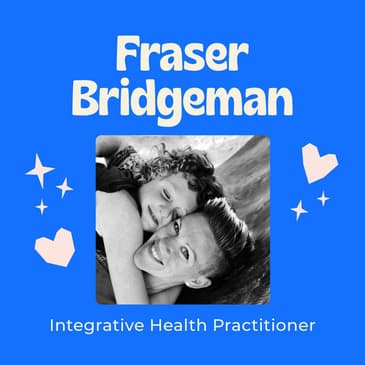
I’m talking with Fraser Bridgeman, a fellow CTNNB1 mom and a functional integrative health practitioner, about the small but powerful changes we can make to support our own well-being. Fraser understands the unique challenges rare disease caregivers face—chronic stress, poor sleep, inflammation, and running on adrenaline for years at a time. She’s sharing practical, realistic ways to prioritize your health so you can show up for your child without running yourself into the ground.
In this episode, we discuss:
✨ The most common health issues caregivers face (and how stress affects the gut, sleep, and hormones)
✨ How to make small, sustainable changes—even when you’re overwhelmed
✨ Easy food swaps to support energy, gut health, and stress resilience
✨ Practical ways to improve sleep and manage cortisol levels
✨ How movement, breathwork, and mindfulness can help regulate a taxed nervous system
✨ The mindset shift that will help you prioritize your own health without guilt
Listen now and take the first step toward caring for yourself—because you matter, too.
[00:00:03] I'm Effie Parks. Welcome to Once Upon A Gene, the podcast. This is a place I created for us to connect and share the stories of our not-so-typical lives. Raising kids who are born with rare genetic syndromes and other types of disabilities can feel pretty isolating. What I know for sure is that when we can hear the triumphs and challenges from others who get it, we can find a lot more laughter, a lot more hope, and feel a lot less alone.
[00:00:31] I believe there are some magical healing powers that can happen for all of us through sharing our stories, and I'll take all the help I can get. Once Upon A Gene is proud to be part of Bloodstream Media. Living in a family affected by rare and chronic illness can be isolating, and sometimes the best medicine is connecting to the voices of people who share your experience.
[00:00:56] This is why Bloodstream Media produces podcasts, blogs, and other forms of content for patients, families, and clinicians impacted by rare and chronic diseases. Visit BloodstreamMedia.com to learn more. Hello, and welcome to the show. This is Once Upon A Gene, and I'm your host, Effie Parks. And I have an amazing conversation today for you with a fellow CTNNB1 mom.
[00:01:19] She inspires me constantly on social media to watch what I'm eating, to watch what I'm saying, to make sure I go pick up that weight or take that walk, and I'm everlastingly grateful for her. And I think you're really going to love our conversation today. It's all about you, the caregivers who give so much of yourselves every single day.
[00:01:39] We're talking about health and wellness and the small but mighty changes that can transform your energy and your mindset, just your overall well-being. She's a functional integrative health practitioner, and she has a passion for teaching people how to take control of their health. She's done it herself. She's been there. She knows. She's went from that dark, dark place, and she has come out from just putting in the work.
[00:02:06] And she will tell you herself, it is not easy, but it has transformed her life. I think you're going to get a lot of really good wisdom from her on so many things and maybe be inspired to make one little change in your day for your own personal growth inside and out. Again, she knows firsthand the challenges of caregiving, and she's here to share her expert advice and to be a friend.
[00:02:32] So she's going to talk about some common signs of stress and burnout and how it imbalances your body and maybe some steps you can take to feel better today. So please enjoy my conversation with Fraser Bridgman. Hello, Fraser, and welcome to the podcast. Hi, how are you? Thank you. I'm so good. I'm so happy to have another CT and NB1 mom on the show again. And I even got to meet you in person for a few minutes in San Diego a while back, which was so cool. Yeah, it was nice.
[00:03:01] I'm sorry I was so booked and busy with work, but it was so good to see your face, and it meant a lot that you came and showed up. So thank you. Yeah, no, and thanks for having me here. I'm super excited to chat with you. Yeah, me too. I want everyone to follow you, so definitely go find her handle. I'll leave it in the show notes. Fraser's extra special, and watching her always just sort of ignites this need and want and inner power to make myself kicks an ass.
[00:03:31] So I love watching you, and you have such an interesting approach to our world as a caregiver. So I want to talk about it. It's a little different than most of our episodes, which is great. I just want to learn a little bit about you. So, Fraser, can you go ahead and introduce yourself and let us know what you do and a little bit about Michaela? Sure, I can try. So I'm Fraser. I'm Michaela's mom. I'm an integrative health practitioner, which came about by being Michaela's mom
[00:03:58] and trying to give her the best approach to everything in life. I came from a very long, long history of sport, so I'm a martial artist since I was three years old. So fitness and being very healthy has been ingrained in me since, well, forever and ever. So very passionate about being healthy and exercise, eating well, and all of these things. And definitely being a caregiver for now 17 and a half years has reiterated the importance of that
[00:04:26] because I definitely got very, very burnt out. And it's a very stressful life and it hasn't been easy and I've had lots of sleepless nights. So extra passionate now about kind of sharing the importance of it for other caregivers to take care of themselves because I know firsthand how hard it is and how easy it is to just get incredibly run down if you don't really, really prioritize these things. As well as for our kids, how, you know, for Michaela, it's been an absolute game changer
[00:04:53] to really prioritize the health side of it, not just, you know, the medical appointments and therapy appointments, but just good nutrition and supplementation has like honestly changed our lives entirely. So I'm just very passionate about that using functional lab testing and all these things. So that's kind of like me in a nutshell. I can be happy to expand on any of those things if you'd like. I can't believe she's 17. That's wild. It's so wild because I honestly, time goes by so quickly. I can't, I don't know.
[00:05:23] We're going through all the process of her becoming an adult in six months and it's very overwhelming and very surreal. So yeah, you're telling me. I can't believe it. Yeah. Wow. That's a lot. We'll probably have to talk about that later. You're in Canada, right? Yeah. I'm in Canada. I'm near Niagara Falls. Yeah. Yeah. So my other girlfriend, Tyra, is up there too. And she was thinking about talking about sort of that transition. So maybe we'll do something in the future about that. Yeah, for sure. It's a process. It's a huge process. Absolutely.
[00:05:51] Well, you're so lucky you were sort of ingrained in moving your body at such a young age. That's so awesome to just have that sort of muscle memory and just have it, you know, so early on, especially when it becomes so valuable to you as an adult when you're raising a kid like Michaela. Yeah, because I'm strong. Yeah. Because physically she needs a lot of support. So I'm so, I don't know what I would do if I wasn't so physically strong. So I feel like that's a huge blessing for me. Seriously.
[00:06:18] You mentioned you know what it feels like to be burnt out. What happened when you were burnt out? What do you think led up to it? Michaela. Michaela. Life in Michaela, you know, Michaela was an intense, a tense little girl from the moment she was born. You know, she was never a good sleeper. She cried forever a lot. And then, you know, that puts strain on everyday life, like all of us know.
[00:06:44] So like her dad kind of chose a different path as self-destructive path. So that was really hard on our marriage and that dissolved. And that was really hard. And then, you know, as she hit puberty, she got really sick, you know, lost her ability to walk. And she was in a lot of pain. So just trauma, like lots and lots of trauma led and sleeplessness. That just led to honestly severe burnout. You know, I, severe depression.
[00:07:12] I didn't even recognize it a depression because I was like going 10,000 miles an hour. But that actually is a form of depression where you can't really think straight and you're just going full throttle. But so your body can't settle. Your nervous system can't settle. So then you start getting insomnia and you start crying at nothing and kind of get moody and things that, you know, most people think depression are sitting around and being sad and crying. And it wasn't like that.
[00:07:40] It was a different version, but it was depression. And then I actually just remember sitting being like, I just want this to end. Like it got very, very negative when McKaylee was very sick because she, it was so hard. So I guess the strongest form of burnout as you can imagine, just like I couldn't, didn't want to go on. I didn't want to keep functioning. I was so desperate for it all to just stop, if that makes sense. Yeah. It was sad. I think that makes sense for pretty much everybody listening. Yeah. Yeah.
[00:08:09] I was at the end of my rope entirely. Yeah. So what'd you do when the rope ran out and you couldn't hold on to it anymore? So I dove really deep. So I guess it wouldn't, in context of also Michaela, you know, being in the hospital quite a lot then and doctors kind of giving up on us. Just saying there was nothing else that they didn't know what else to do. And kind of handing me a book to like how to grieve her, which was really strange. Like never a conversation, but just kind of a discreet way of saying like, maybe you should start thinking about that.
[00:08:39] This is not going to be much longer. And I just something inside me said, well, I don't want that to be the case. Like I'll just do everything I can. And so I, well, there's many things. I cut out any form of toxic relationship that needed to be anything that consumed my energy in a way that wasn't going to be life giving. I just, you know, sometimes we allow things to steal our energy. It's an eye I had almost done left to give. So then you get really, you get to be very careful.
[00:09:07] And then I went down on just like a rabbit hole of how to help her get healthier. And in, in learning all about that and learning about, I was a very healthy person as an athlete, but I also believed I was invincible, which I had to learn that no one is. And the more stress that you have, the quicker you deplete your vitamins and your mineral stores. And the more rest you need and all these things. I educated myself.
[00:09:32] Like I just endlessly, it was more to help her, but I started applying all the things I learned for her and doing for myself. So even down to like running labs hormonally for myself. Cause like I could tell, like I was just depleted in something. So I actually looked into like, what, what am I depleted in? Like how, what can I do to bring myself back to life? Initially I did the same, the route, you know, I went to the doctors and I got antidepressants. And sleeping pills and pills for panic attacks and everything was helpful.
[00:10:02] But over time I felt like also numb and, and kind of like dead inside, which also isn't great. So yeah, maybe I'm not like crying as much. Maybe I'm sleeping a little bit better. Maybe I'm numb to how hard it is, but I don't feel like myself. You know what I mean? I didn't want that to be my long-term answer. So I was like, so how, what becomes depleted? What causes people to get into this state? What does being in fight and flight for so long deplete you of?
[00:10:30] I really just, I mean, I went to, I went back to school and I studied all this for us and I started just applying everything. I was very, very careful to take proper supplements to support my adrenals, to bring my cortisol levels back to normal. I was depleted in estrogen. I started taking natural supplements for estrogen. I ate really healthy. I stopped eating anything that was, would not be, again, life-giving to my body.
[00:10:55] Even though it's easy and it's fast, but if over time it causes you to be unhealthy, unhappy in the long run, especially as caregivers who are like, it's a marathon, not a sprint, right for us. The more you become mindful of these things, the better and easier your life actually gets. Even though it's a little bit more work and more planning, you are feeding your body more fuel, right? So I did all those things and I was, once I rebalanced all those things that were depleted
[00:11:25] from the years of taking more from me than I was able to putting back in, my body was rebalanced. You know, I became able to cope with stress again. I'd be able to have more energy. Of course, helping Michaela become more stable, the more healthier she got through the exact same process, balancing her minerals and nutrients and being able to reduce medications. She didn't scream so much and she started to sleep better and it was a very, it was like
[00:11:52] a three or four year process of healing together based on functional medicine and healing our hearts. You know, sometimes we have to accept things rather than try and solve them and fix them. Sometimes when we're pushing, thinking we're like, I don't know, looking for an end, it makes us feel more exhausted when we just accept how things are a little bit, your body can heal a little bit.
[00:12:18] I did also all the things like hot and cold showers and I stopped doing so much exercise and such intense exercise. Sometimes less is more. So yes, moving your body is important, but I was like a wild woman. I was training like for world championships and things that were so intense. And I took a massive step back and did things like more walking and more things are easier on the hormonal system when you need to heal. I got more caregiving help. That was a huge one.
[00:12:48] I stopped thinking I was the only person that could do everything. I started to ask for help from, you know, wherever I could get it, I guess, because in the beginning I thought nobody could care for Michaela like me. You know, no one's going to do as good. I'm her mom. I should be the one doing it. But I think that's now after 17 years, that's not a good way to think of it, but it takes like an entire community I've learned. So getting as much help as I can get now so I can heal.
[00:13:17] And it's better for Michaela too, to have fresh energy, people with fresh energy and fresh, even just stories and ways of playing and people who aren't burnt out. It really helped her and that helped me have time to myself to not be hyper-focused and obsessed about her being sick or her being unwell and all of these things, right? If that makes sense. I'm going to re-listen to everything you just said and make an entire list because there
[00:13:46] was so much, so much wisdom in that and so much beautiful advice and so much I see myself and I see you. Yeah. If I was you, I would look into the mirror every day, mirror, mirror on the wall. Thank you for being such a badass and good job. Thank you. The ability to notice where you were, to take one path and then to notice that path and
[00:14:13] then to again decide that the shifting hasn't fully happened and then you just lift up another vehicle to make yourself better and make Michaela better and make life better and realize that acceptance and maybe being a little more gentle and recognizing that stress is always there but what about the whole point of coping? I mean, you said so much that is so, so difficult for anyone to do but especially someone under chronic stress, right? Yeah.
[00:14:42] And being alone and losing your spouse and I mean, girl. I know. Really. Good job. Thank you. I've been in love with Michaela now for like 12 years. That's a long, almost 12 years now. So yeah, it's been a long, massive journey and I think the biggest thing that I've been I've learned through it that I would say to people is like really learn to listen to your body because your body is always whispering to you and telling you things and what we do
[00:15:12] I think as, as moms, but also as caregivers. So double whammy for a lot of us that we just ignore all of those whispers that our body's telling them and all those whispers when it's saying like you need rest or you need a little bit more respite or you need to take care of yourself more nutritionally or get some sleep. Our body's whispering in ways, whether it's, you know, from stomach issues to headaches to our mood.
[00:15:39] If we listen to it when it whispers, you don't have to wait for it to scream. And I think that's a huge thing that I learned over 17 years is that if you always push yourself to the back burner, you won't be as good of a caregiver as if you listen to yourself and take the time to fix each small thing. Does that make sense? Yeah. And I think the same goes also for, for our kids, in my opinion, you know, if we pay attention
[00:16:06] to them before there's, you know, before they're, they're losing their minds, you know, you, it's usually easier to navigate and the same goes for ourselves. And we usually ignore that for ourselves. And I really think it's important that we just like care as much about our, our own health and our own quality of like even joy and happiness as we do about our kids that we're so passionate to care, to be good caregivers for. And then that in itself makes us give our kids more and be better for them. Does that make sense? Of course. Well, we're number one.
[00:16:36] Okay. I didn't know that though for a long time. I think it's really difficult for most people to wrap their head around that. There's so much guilt and shame and I have to make sure everything is for my child. I mean, it's, you know, it's complicado, but it's, it's true. The caregiver situation. Well, and like you mentioned, right? Like don't wait for the screams, listen to the whispers and try to make those changes
[00:17:01] and try to make those adjustments early on before it gets extreme and too difficult. And maybe then both of you aren't whispering, but screaming. Cause then you can't fix anything when everyone is in that mode, right? It's just chaos. And then it's, it's falling down the mountainside like completely. And it takes so much more energy to get back up and to have a fresh start.
[00:17:28] And anyone who's ever been listening to this show for long enough, for me, especially like things like somatic therapy and listening to my body were what changed everything for me and doing the walking, right? It was just so methodic and so simple. And it was something my nervous system could handle. I fully, fully, fully am with you on, on that. Listening to things that are showing up, right? And paying attention and not burying them every day and going to the next chore for your kid.
[00:17:56] And they can be simple things even like, I know sometimes it's annoying. Some of the things I think come across as something annoying, but like sometimes we focus on all the things that are like wrong. And sometimes we focus on all of the hard stuff, but taking five minutes at the end of the day to actually write down like the things that are good in life and like a gratitude journal, I think actually makes a huge difference because we do get hyper-focused on like all the things our kids can't do or won't ever be able to do. And that's really hard on us.
[00:18:24] And I think if we really make a conscious effort to actually list the things that we are grateful for and that are, I think it actually really does help. And I don't think, I definitely didn't do that for a long time. Or just, you know, if we feel overwhelmed, which I think most of us feel a significant overwhelm in the moment of overwhelm, stopping everything you're doing and doing some actual like box breathing or deep breathing until you can actually slow your heart rate down.
[00:18:51] You can actually slow your breath rate down because if you let it escalate, like that's what goes into a panic attack. That's what causes anxiety. But so like stopping it, like, wow, I am, I'm trembling. I've had too much caffeine and recognizing, you know, I'm getting, I'm escalating and taking a minute, sometimes just a minute, closing my eyes, maybe putting on binaural beats for through my headphones so I don't hear screaming in the background or whatever.
[00:19:18] There's so many things that if you stop it before it escalates, you can actually really help yourself control how much damage, you know, it's doing to our body and taking that time to just like calm the nervous system. That is a huge thing that many people would benefit from for sure. Oh my gosh, literally everyone. And I can't talk about box breathing enough. Go Google it if you haven't heard of it. But like Navy SEALs are trained in this, in the box breathing.
[00:19:47] You know, you breathe in for four seconds. You hold it for four seconds. You breathe out for four seconds. You do this in a box, right? You think about it as a box as your visual and then do it four times. That's such a short amount of time for you to completely lower your heart rate and your stress level and your moment, right? And it's transformational and I recommend that to anyone. Yeah. Definitely. There's so many tools out there, you know, we could list so many. So you define what like speaks to you, but look for like nervous system or to get into
[00:20:16] the parasympathetic nervous system. So now skin brushing, I won't go into all of it, but like find things that because as a caregiver, you are going to have a lot more on your plate than the typical person and calming your nervous system. It will help you not deplete things and will help you to not get to the point of feeling excessively burnt out. And that earlier on, you know, all these young moms who feel like, like I did, like a super woman. It will eventually take its toll.
[00:20:44] But if you do things now and you start implementing nervous system work, you will have much more longevity. I guess that's what I'm trying to say. It's just so important. I can't really stress it enough. I'm so confident about that. You sort of touched on finding the positive and being grateful and stuff in the moment of like hell. And there's a balance to that too, right? I would say to anyone that if you are surrounded by people who are going to use the word toxic
[00:21:12] positivity in that form, you need to find some new friends, at least right now, right? Like pause that and find some balancing friends who are going to be like, yes, absolutely embrace the suck. But, right? And I think that there is a beautiful balance between that. But I think people can get so stuck in language like that and feeling like there has to be a door to these types of emotions and goals for your emotions. Yeah.
[00:21:40] And so really try to find a balance there that evens you out a little bit. Yeah. I think for me, it does suck a lot. Things too are really hard. And I learned this too late. It's just like, it's totally fine to say all that like every day to vent it out. Like I kept it all inside. I guess what I'm trying to say a lot. I tried to be positive and, you know, have the faith in all the thing. And I think I should have balanced out more like speaking, like saying like, this is really hard and then balancing it out with what I am grateful for.
[00:22:10] I tried to like never talk about the hard stuff initially. And I think that was part of how it burnt me out because like inside I was suffering and there was a disconnect between like my emotions and feelings inside until what I was actually like being perceived on the outside. And I think that disconnect can be a little bit harmful. So like being, yeah, speaking your truth, but, and, you know, I'm trying to balancing it out with the negative and the positive. It's for me has really helped those saying, you know, these, the hard things, but also saying why I'm so grateful. Like I made it through today.
[00:22:40] Maybe that's all you can say. Speaking that out too. I survived another day. Amen. And I'm happy about that. And I'm proud of myself for that. Totally. And those are things you can notice, right? Like I couldn't breathe for like a year and my throat was literally choking. And I realized it was because I was just head down to the grind, doing everything for Ford, not telling anyone how crappy it was, not trying to find any help or, you know, whatever it was, was not telling my truth about it.
[00:23:10] And it wasn't being like overly positive or anything. I just wasn't dealing with it. And so I couldn't, I felt like I was choked. I felt like all of the information was just sucked down into my body and it was never coming out. Yeah. Those are things to notice. Like it affects your body when you were out of balance in all of these ways. Oh yeah. Like unprocessed emotions. I'm a huge believer in unprocessed emotions, how they'll show up physically if you don't deal with them, you know? So, and that's the other thing.
[00:23:37] Like I think some people are great at this and some people, you know, but get, talk to someone. Like a counseling was a huge part of me surviving 17 years. Not like I had to go constantly, but again, listening to myself, the, when my body started to say like, this is too much, you know, being able to talk to someone and really saying all how your fears or your just struggles or your things, you know, you know, maybe you think you're not supposed to say that because it sounds negative. But it's being able to vent it out and being real.
[00:24:07] I mean, it makes a huge difference. And then it releases it from your body and you don't, you're not going to have it now come out as like a physical symptom because it will, if you just keep it all inside. So yeah, I'm really passionate about definitely talking and talking to someone, finding somebody that you can just feel like you can just talk it all out and be truthful about. It doesn't mean you're going to have an answer. There's not going to be a solution, but you're just going to feel better. You're going to be able to cope another day a lot better than if you keep it all inside us and feel like you're indestructible.
[00:24:36] That's very wearing after a while. Hence how Once Upon a Jean was born. Just exactly that. Yeah. So what do you think are like maybe the most common health challenges that you see caregivers who are raising kids like ours? Like how do these impact their overall well-being? What are the most common ones you see? Yeah. So I would definitely say hormonal imbalances would be up there because we just run really high on cortisol.
[00:25:03] Like we're just producing anybody with exceptionally high chronic stressful situations, which is caregiving. I think cortisol is a hormone in the hormone system and anything becomes imbalanced. It's going to affect, you know, all the other things. So it's going to affect your estrogen and for men, testosterone levels. So I can even say personally, I would have like, once I started dating and once I was burned out and I was like, okay, well, I obviously feel very hormonally imbalmed. I had that estrogen of like an 80 year old woman, to be honest.
[00:25:31] It had just depleted my ability. So our body is very smart. It will pick and choose nutrients to make or hormones to make to be able to keep you and to survive. And, you know, it will stop making an efficient amount of other things. So hormones usually take a bit of a backseat so that you can have, you know, continue to digest food and have energy to keep doing your daily stuff. So I definitely see, and that hormone imbalance then will affect, you know, obviously mood and
[00:26:00] your mental health, but also people will get aches and pains and definitely sleep. You know, we're also sleep deprived and then you lay your head on the pillow and your mind starts racing. So I see a lot of sleep inversions, I guess you could say, where your cortisol is spiking at night, you finally get a chance to sleep and you're just like, hello, I'm ready to go now. I see that's definitely a huge one for caregivers, not the inability to actually calm the nervous system and get into a deep sleep. So definitely those two.
[00:26:29] A definitely depletion of magnesium would be huge on my list because we just running through it and that's the ability for the body to relax because we're just go, go, go so much. Cortisol is really hot right now. Obviously, everyone's seeing that all over. I think if they are on social media, I know mine's messed up and I need to revisit my appointments with you because my hair is falling out. Yes, I have those moments where I'm up all night and I can't sleep where I feel like I was really sort of balanced there for quite a while.
[00:26:58] I was doing all of my things. And then recently I've been up at least from one to four every night. That's called the liver hour. Oh, God. Oh, God. Oh, no. Not my turn. Another day. I'm here for another day. I am not going to stop my Friday espresso martini freezer. Don't you either. That's okay. But yeah. Okay. So obviously everything is holistic. It's nutrition. It's food. It's sleep. It's physical activity. It's mindfulness. It's emotional health.
[00:27:28] There's so much to do. That's already overwhelming, right? Like people are like, um, I can't even figure out how to go for a walk. It's also like one more thing. Sometimes what's the very first step you'd recommend? How can we identify and prioritize what needs the most attention right now? Oh, that's a good question. First of all, I think reaching out to people who can help you kind of navigate that. So please feel free to reach out to me.
[00:27:56] I'm happy to help anyone. I kind of just feel passionate to help caregivers being where I'm at, but also just, I think step one is recognizing the importance of taking care of yourself, which I know you really try. You talk a lot about. So hopefully people are starting to realize the importance of that. And I think making the time, which I know we all say we never have time and figuring out how that can be a priority. If that means, you know, getting in a little bit of helpers or whatever that looks like
[00:28:25] every situation is very different, right? And maybe that starts as like an hour a week where you take for yourself if you're not doing that. It's a pretty hard question because everyone's at such different places along in their journey. But the prioritization of just taking care of yourself is definitely step one. I don't know. I don't know how to answer that. I know that sounds really unhelpful because I think everyone is so different. But once you realize that you want to make that a priority by reaching out to someone who can help you with that, I think is the best way.
[00:28:55] I think, you know, small changes when it comes to nutrition is step one for nutrition. You know, maybe trying to eat less processed food because you know that it's not helping you feel better. Getting maybe your blood labs done by your doctor, making sure if you're feeling very hormonal that they help you make sure that your hormones stay in check and not letting it get so far gone and feeling like you don't have time to do that is important.
[00:29:21] And, you know, with exercise, like you talk about walking, I agree. At first, just walking is very important. Getting out every day and just moving your body a little bit is the first step if you don't move your body at all, right? If you're already doing that, then you start to add in things that help you. Certainly, nervous system work, I think, would be really high up there. So rather than adding additional stress to your body, maybe like half a yoga, which you
[00:29:48] can just get free on YouTube and do it for 15 minutes in your bedroom at night. Definitely getting away from screens before bed because without good sleep, I mean, I know a lot of us have kids that don't sleep well, but prioritizing sleep health is probably the most important thing because your body can't heal and rejuvenate if you're not getting sleep. And sometimes we cope by like scrolling social media or watching TV in bed and we all do it.
[00:30:14] But I think prioritizing that sleep is so important for the longevity of a caregiver that we make that a priority to try an hour before bed, no screens. And then doing things that we enjoy is important. We forget that we also are allowed to enjoy things in life. So maybe you enjoy a hot bath and you haven't had a hot bath. So making time to do that. Maybe you need to be more social. So everyone's at a different spot, but that you just maybe make a little list of like the things I used to do that I never do anymore.
[00:30:41] And maybe you don't have time to do it every day, but make sure that you get to do it at least once a week, something for an hour that is feeding your own soul. And of course, getting good sound sleep if you can and figuring out a way to get at least the best form of that. Like Maquela is still not a great sleeper. So I have to figure out ways that I can at least do my best for that. Does that make sense? Yeah. I feel like you're in my head a little because a lot of things you mentioned literally was done yesterday in my life. Okay, good. I was listening to a podcast yesterday.
[00:31:11] I don't know if you know who. Jay Shetty. Yes. Yes. Yes. Yes. Okay. I'm obsessed with him. Yeah. And he was talking about sleep and he said what you said, right? Like no screens and no light like whatsoever for an hour before bed. And what he meant by light was like, turn off the darn lights. Your Kindle counts, turn it off, have like really, really soft dim light, have candlelight. And then he said something that has really been making me think.
[00:31:37] He said the first step to getting a good night's sleep is what you do in the morning. And he said that don't get on your phone first thing in the morning. Don't make someone else the first person you look at or care about in the morning. Do your five breaths in bed. Look at your child. Look at your spouse. Whatever it is. Get up and stretch. Make you the very first person in the morning. And then he also said that light is the most important thing you can do in the morning.
[00:32:04] So whether you go stand by your window for five minutes or go outside or get some special light is to have light on your face first thing in the morning to help you sleep at night. And it all just made such beautiful sense to me. Yeah. And it's really very simple. And I just liked the idea of thinking the best night's sleep you have starts with your morning routine. I like that. Yeah. Yeah. And light is, I mean, there's so much research on like all the fluorescent lights that we're surrounded by.
[00:32:32] So I like that he talks about that a lot because it's actually very scientific where, you know, our ancestors didn't do that. So like your circadian rhythm naturally knows, okay, it's time to go to sleep. But we blue light from all the screens in our lives actually stops melatonin from being produced, which is how estrogen is made. And also how our body gets into these sleep, restful sleep. And so we actually inhibit, you know, that proper hormones that help us to sleep good by watching all the screens in our lives.
[00:33:00] And I know that's just like, that's our, the life, the way the life is now, but only we personally can change it for ourselves and maybe for our families. And that is a, it just really does make a difference because if we get a good sleep, we have the ability to cope with stress better the following day. And when you talk about light in the morning, the same, it's because your vitamin D, you know, the sun comes out naturally. So like, I'm a big fan of grounding. I haven't really mentioned grounding. So getting outside and like, I know it's, it's really cold in here in Canada, but getting
[00:33:29] outside and actually putting your bare feet on the ground at any point as often as you can. And so just maybe there's where you start. You take that five minutes for yourself. You go outside and you stand bare feet on the ground if you can. And you're doing that. You're calming box beating. Five minutes a day can actually, cause for that five minutes, you're now calming your nervous system from fight and flight into the parasympathetic nerve system and everything is settling down.
[00:33:58] And it makes a difference in so many aspects, even digestion. You know, we're all eating like in a rush all the time and your body doesn't digest any of that. So then we're all, you know, that's our new fuel for our body. So the simple things you can do is make sure that when you're eating lunch, you're eating it, you know, not on your phone for that 10 minutes so that you're like focused on actually chewing and eating and digestion. And I know we're all like, well, they don't have time for that. Yeah, well, you're, you have to make five minutes to do that.
[00:34:27] Otherwise you'll cumulatively feel worse over time rather than feel better over time and have better energy over time and a better ability to keep balance in your own body over time. So some little things you can do. Yeah. And like you said earlier, break it down, like completely bare bones it. Like maybe make your list of the things that you want to bring forward and change and then just pick one. Yeah. So maybe it is every single day I'm going to put my feet on mother earth.
[00:34:55] Every single day I'm going to eat my lunch without looking at my phone or without doing a task or without walking around. Like maybe it's just pick one of those things and make it a habit and then move on to the next one. I like the concept of habit stacking a lot. So, you know, an easy one, you know, anytime you shower and we all have to shower, so we all have to make time to shower. A minute before you get in the shower, you can do skin brushing, which totally calms your nervous system down.
[00:35:23] It's like you can get one for like maybe 20 bucks at your local, I don't know, health food store or probably even at Walmart now, to be honest with you. And it moves the lymph in your system around. So when we're really stressed, we get like stagnant lift, especially if we're not walking a lot. And that really leads to poor immunity. And when we're tired and exhausted caregivers, we're running down our immune system. So like that one minute habit stack on top of the shower you're already going to do actually can go a long way. It's only one thing. And then, yeah, so like you're saying, make habits out of these things.
[00:35:52] And trying to attach some to habits that you already do is actually the easiest way. Like it's proven to show you like you'll be more successful at keeping it if you've attached it to something that you already do on a regular basis already. And I do find that to be very, very true. Habit stacking. That's a really good, really good point. And a whole other episode. Yeah, totally. Skin brushing is very cool. I've never done it to myself, but there's a lot of really affordable like Korean spas around here that'll do that brushing. Yeah, you just brush your own skin.
[00:36:18] Oh, even like because a lot of our kids are very sensory and it's a very sensory feeling. So like for I like brush Michaela's skin, it's good for nervousness. So some kiddos with nervous system dysregulation actually can really, really benefit too. And it's very easy. You can do it for a minute and you can, it's very, very cheap, right? So you can get a brush on Amazon, a skin brush for probably $10 or $15 and just, yeah, it can be, it's very, very therapeutic. So yeah, something. I wonder if Ford would like that. Yeah.
[00:36:47] I don't know who's showering every day. If anyone's showering every day, please let me know. Yeah, true. But when you do shower, you can put that habit on there. That's so cool. Oh my gosh. You're full of so many wonderful ideas. And I know you've deeply like thought about all this stuff and researched all this stuff and lived through all this stuff. I could talk to you forever about it. Yeah. So any questions anyone has, just send them my way. I enjoy sharing the knowledge. I enjoy sharing the knowledge. So please don't hesitate. Yeah. Yeah.
[00:37:17] Okay. So one thing that's sort of related to all of this, this whole idea, but not necessarily food and gut and hormones and all that stuff is, and maybe this is just time, but I'd just like to get your opinion or your insight on it. But you know how you can get to this point where you completely realize that our kids are our greatest gifts and taking care of them is such a beautiful privilege and everything
[00:37:42] that comes with it and how it transforms you and shifts your perspective can be the biggest source of strength that you never knew was possible. So what would you say to caregivers to, I don't know, open their mindset to harness sort of how they can be fueled for their own health and wellness because of that idea that having this
[00:38:06] beautiful, wonderful, special angelic child who teaches everyone around them about what's really important, how can that sort of weave into yourself? It's a great, very beautiful question. I don't know. It was kind of long. I hope it made sense. Yeah, it totally made sense. I think that learning not to resist it because I think a lot of us, well, I'll just speak for myself, like I resisted it for so long. Like it was unfair. It's not fair.
[00:38:36] It's so hard. How I, this is, I can't do this forever. I don't know. Just like when you resist something, your body is, it feels more stressful to your body. And all the time I didn't say positive things about it or really, you know, really struggled with the truth of what my situation was. I could have just accepted it. And since I've done that, since I've stopped resisting the situation, I guess you could say and having a child who isn't, I guess the way you think it's going to be.
[00:39:04] You start to realize that, well, for me, I say like God put them in my life for a reason and you start to embrace and how letting, I don't know, just time show you how it's going to change your life for the better. So everything gets worked out for the good. Eventually. I think changing my mindset to that. Sometimes we can't see it and we may not even feel it, but if we just believe that and we
[00:39:30] allow it rather than resist, resist our own situation and accept it and embrace it, it gets so much easier. When you live a life that you're feeling at odds with, it's very, very challenging and it feels very hard. But when you say, well, this is the gift I've been giving and I don't really understand it and it is hard, but I'm going to make the very best of it. This small mindset changes make very big differences.
[00:39:57] You don't feel like you're struggling, but rather you're like waiting to see, you know, the next opportunity or like, well, wait, all right, well, where, where's the universe taking us today in this journey? You know, I don't know if that makes sense, but for me, that mindset shift of like, it's not fair and I, why me? I guess you could say to like, well, let's see how we can make the best of this has made all the world of difference to my day-to-day life and our family's quality of life.
[00:40:26] And it doesn't mean that it's not hard some days. It's for sure hard, but it definitely is a different way of my brain just feel happier to know that I'm embracing this special situation and I got the luxury of loving someone and their love back in return is, I think, different too. Like she loves me so much and not, sometimes I don't actually even get that. So seeing the things like that, like Michaela has suffered a lot, but man, when she feels joy, it's like joy, like none of us will ever experience, I don't think.
[00:40:56] So seeing things differently and seeing like, and allowing yourself to feel like that wonderful love like that some people never, I don't think we'll ever get to feel such unconditional love that our kids have for us. Oh my gosh, listen, amen. I don't know if I made an episode about it recently or if it was in a speech I just did, but I told this story about this moment I had with Ford not very long ago where I was like just engulfed in like, oh my gosh, I get to take care of this hilarious, loving, gorgeous person who is obsessed.
[00:41:26] Yeah. Who's obsessed with his family. Who's obsessed with his spot in the house. Like he is so perfect and I get to witness it and he loves being here. It's not sad for him. Yeah. Yeah. I mean, he's very mad about lots of symptoms that he has, but like all of the other stuff that you get to see, you're right. It is enormous and it is unexplainable if you've never experienced that type of just pureness. Pureness is a great way.
[00:41:50] Like they just have like, yeah, we get to have experience laughter and joy and have like a massive sense of humor over things that some people will never get to experience. So that's actually a really cool thing. Like that some people don't get to laugh about, I don't know, the 13,000th time we've watched a Barney episode that remains additionally very hilarious. And if you just get in the moment with it, your life's going to feel a lot better and a lot happier and a lot lighter.
[00:42:15] The load's a lot lighter there where you enjoy it instead of being like, yeah. I mean, you mentioned resist, right? I mean, that is a more powerful force than the Jedi. Okay. Like it is strong. And I think sort of finding that way from why me to why not me is really powerful. Stop resisting and start embracing it and your life will shift into a different dimension and things get easier. I think the hard stuff is still there.
[00:42:45] And let go of some of it. Like let it go. Let go of some of those things. Don't even embrace it. Let go of some of it. For sure. Like just erase. Yep. Definitely. Okay. Well, I could talk about this stuff all day long, but I know you do this for a living. So please tell everyone a little pitch about how they can find you, what they can ask you, what they can gain from you and let them know just how to contact you. Sure. Fraserbridgeman.com is my website. I'm on social media.
[00:43:15] What I'm very, very passionate about is functional lab testing it's called because it just, it tremendously changed my health and Michaela's health. Finding just the root causes of why she was having, we were both having so many symptoms. So, you know, would happily talk to anybody for hours on end on how, how much it can make a difference. So you can find me on Instagram, Fraser B underscore holistic health. I'm on Facebook, TikTok, all those things.
[00:43:41] So, and I'm just like happy to talk to anyone, especially caregivers anytime about any questions they have and how it can benefit them in our journey as well. Awesome. Okay. Well, thank you so much for your time and all of your brilliance. I really appreciate it. I loved our conversation. I can't wait to share it. And it's a new year. So anyone who is feeling this calling and that maybe this episode came into your ears at the right exact time, please message her. She's just amazing. So thank you so much for being my guest.
[00:44:10] I hope you've been enjoying this podcast. If you like what you hear, please share this show with your people and please make sure to rate and review it on iTunes or wherever you get your podcasts. You can also head over to Instagram, Facebook, and Twitter to connect with me and stay updated on the show. If you're interested in sharing your story, or if you have anything you would like to contribute, please submit it to my website at effieparks.com. Thank you so much for listening to the show and for supporting me along the way.
[00:44:40] I appreciate you all so much. I don't know what kind of day you're having, but if you need a little pick me up, Ford's got you.