

ONCE UPON A GENE - EPISODE 232
Understanding Genetic Counseling - Essential Insights for Parents – Navigating Appointments, Referrals, Testing, and Insurance with Expert Abby Turnwald MS CGC
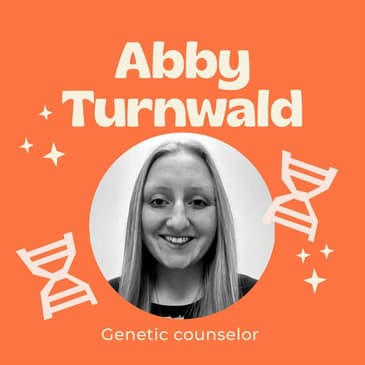
Abby Turnwald is a genetic counselor here to talk about genetic testing and the crucial role genetic counselors play in guiding families through the complexity of genetic testing and understanding the results. We'll discuss what parents can expect for their first appointment, the importance of seeking a referral, tips for navigating insurance coverage and the significance of re-analyzing genetic reports.
EPISODE HIGHLIGHTS
What is genetic testing and what does the first appointment involve?
Genetic counseling appointments are for a specific reason, condition, or symptom and can be with just a genetic counselor or with a genetic counselor and a geneticist, which is a physician. A genetic counselor will gather intake information about your child's medical history, family history and developmental history. They will also discuss genetic testing options and answer any questions you may have. Depending on insurance, sometimes genetic testing will happen at the first appointment, and sometimes it will require prior authorization. A physician may do a physical exam and work closely with the geneticist to determine the best plan for your child.
Why is it important for parents to consider doing genetic testing?
There's a lot more to a diagnosis because there's likely a genetic cause. Finding a genetic cause can be helpful in parents not holding onto any guilt they may feel. It can also open you up to a community for specific conditions where other parents are actively advocating for their children. Other genetic conditions may have health conditions parents may not know about, so it's important to know. Genetic testing can tell you the recurrence risk if parents are considering growing their family. Even if we don't find a genetic answer, it rules out a lot of other genetic conditions and that can be helpful for your care team.
Can you talk about the barriers to genetic testing and how to overcome them?
The biggest barrier is the wait time to get to genetic testing after you have a referral. It's often about a year, but go ahead and schedule it and look for other places you may be able to go. You can also ask your provider to order genetic testing before you see genetics. If your doctor doesn't think genetic testing is necessary, ask for the referral anyways. Genetic testing should be for anyone who has symptoms that are unexplained. Most insurance covers genetic testing now, but if a claim is denied it can be appealed. There are also more and more labs offering sponsored genetic testing if your child meets certain criteria.
LINKS AND RESOURCES MENTIONED
https://www.probablygenetic.com/
NSGC Find A Counselor Directory
https://findageneticcounselor.nsgc.org/
Follow Abby Turnwald on Instagram
https://www.instagram.com/pedsgcabby/
CONNECT WITH EFFIE PARKS
https://twitter.com/OnceUponAGene
https://www.instagram.com/onceuponagene.podcast/?hl=en
Built Ford Tough Facebook Group
https://www.facebook.com/groups/1877643259173346/
[00:00:03] I'm Effie Parks. Welcome to Once Upon A Gene, the podcast. This is a place I created for us to connect and share the stories of our not-so-typical lives. Raising kids who are born with rare genetic syndromes and other types of disabilities can feel pretty isolating.
[00:00:20] What I know for sure is that when we can hear the triumphs and challenges from others who get it, we can find a lot more laughter, a lot more hope, and feel a lot less alone.
[00:00:31] I believe there are some magical healing powers that can happen for all of us through sharing our stories, and I'll take all the help I can get. Once Upon A Gene is proud to be part of Bloodstream Media.
[00:00:47] Living in a family affected by rare and chronic illness can be isolating, and sometimes the best medicine is connecting to the voices of people who share your experience. This is why Bloodstream Media produces podcast, blogs, and other forms of content for patients, families, and clinicians
[00:01:03] impacted by rare and chronic diseases. Visit bloodstreammedia.com to learn more. Hello friends and welcome to the show. This is Once Upon A Gene, and I'm your host Effie Parks. Thank you so much for taking the time to hang out with me today.
[00:01:15] This show grows because of you, and I'm so thankful. If you haven't yet, please head over to Apple Podcasts and leave this show a review and a rating so other people when they're
[00:01:25] digging in to try to find some content, they can maybe be nudged a little bit to check out this one. This podcast is so magical.
[00:01:32] I know the energy in it will help families everywhere from all of the stories shared and the resources that are offered here because of all of you, so thank you for all your contributions, and thank you for your friendship.
[00:01:43] So please, yes, share this show with your people. I am thinking about packing. I'm heading to Ljubljana, Slovenia in about 36 hours. I'm a little... I'm kind of freaking out because I'm feeling a little bad about leaving my family right now with a lot of stuff that's going on,
[00:02:00] and I'm just trying to block it out because I get to go see 80 CT and NB1 kids. 80 kids are showing up to our natural history study. Families from all over the world are coming.
[00:02:11] There's five different languages being translated. My fellow CT and NB1 rare mama, Špila Mirošević, I'm so grateful for her. She has worked her tail off, and so have all of these parents in getting this stuff going.
[00:02:24] So I'm excited to report back on updates from our gene therapy program and just general connection. So can't wait to see you there if you're listening right now, and I will definitely share goods from the trips when I get home. Okay, today my guest. Oh my gosh.
[00:02:40] I love her so much. She's one of my favorite genetic counselors. We're keeping the theme from last week. If you haven't listened to it on why a genetic diagnosis is so important, head back to it.
[00:02:49] It's a short 10-minute episode. So we're going to continue talking about genetic testing and today genetic counseling specifically, and my girl, oh my gosh, she's so compassionate, and as a genetic counselor, she plays a crucial role in guiding families through the complexity of genetic testing and
[00:03:05] understanding their results. So we're gonna discuss what parents can expect during a genetic counseling appointment, the importance of getting and seeking a referral, navigating insurance coverage, and the significance of reanalyzing reports. So please enjoy my conversation. Find her on Instagram.
[00:03:22] I'll have her thing linked in the show notes and please enjoy my conversation with Abigail Turnwald. Abby! Abby Turnwald, welcome to the podcast, Genetic Counselor to the Stars. Thank you so much for having me. So excited to talk about genetic testing today and talk to all of you.
[00:03:38] Yes, I'm so excited. We'll definitely make sure to leave all the links in the show notes. Go follow Abby. She's amazing. She's a wonderful human. She's young and energetic and positive and aside from what we're gonna talk about today, genetic testing,
[00:03:50] she does a lot of things with siblings. So definitely keep your eye on Abby after this, okay? Okay, Abby, let's give a little introduction to genetic counseling, explain what it is, what an appointment typically involves, and
[00:04:03] also what parents should expect from their first visit. Yeah, so I am a pediatric genetic counselor and I specialize in neurology, so epilepsy and cerebral palsy, but our training is really broad.
[00:04:17] So to become a genetic counselor, you have to have a bachelor's in something science or psychology based and then you get a two-year master's specializing in genetic counseling. We train in all different types of specialties. So cancer, prenatal, pediatric,
[00:04:33] metabolic, lots of different specialties. So when you come for a genetic counseling appointment, it's typically for a specific reason. So your kid has a specific symptom or there's a family history and there's concern and so you or your provider wants genetic testing.
[00:04:48] There are some appointments that are just with a genetic counselor and some that are with a genetic counselor and a geneticist. So a geneticist is a physician, so similar to a neurologist or a pediatrician. They're a physician. So it just depends on where you're going and
[00:05:03] what your clinic is like. Typically a genetic counselor will take an intake. They'll ask a lot about your child's medical history, family history and developmental history and then they'll also talk to you about genetic testing options.
[00:05:17] So genetic counselors really want it to be a conversation. They really want you to be involved and have a choice in genetic testing because not everyone wants genetic testing right away or they have questions or want to think about it more.
[00:05:30] So it's really an appointment that is meant to be interactive and full of discussions and questions. Depending on your insurance, sometimes you can get genetic testing the same day of an appointment and sometimes you have to get prior authorization through your insurance first.
[00:05:43] So it really just depends. If there's a physician, they'll do a quick physical exam on you or your kiddo, whoever's the appointment is for, but the geneticist and genetic counselor work very close together to figure out the best plan for you or your child.
[00:05:56] Yeah, I know for our situation we had the two of you together, but I know that's not necessarily true for everyone for various reasons. Most of the regulars, all of the regulars that listen to this show, of course know why genetic testing is important,
[00:06:09] but hopefully this episode is going to reach the people who are still considering it or nervous about it or haven't even really learned that they should have it reanalyzed if they didn't find something a while back.
[00:06:19] So could you just share why it is so important for parents to consider genetic testing, genetic counseling if they suspect that something's wrong with their child?
[00:06:30] Yeah, so a lot of people are under the assumption that their child already has a diagnosis like autism or epilepsy or cerebral palsy and that's the diagnosis. There's not much more to it, but there actually is a lot more.
[00:06:43] We quote about 40% of kids with epilepsy without a reason for the epilepsy actually have a genetic cause. People with cerebral palsy with and without a brain MRI finding, we are quoting 30 to 40% have a genetic cause and the more we're testing, the higher this percentage is.
[00:07:01] Finding a genetic cause can be helpful for so many different reasons. For one, a lot of families I talk to have guilt. So they think that they did something wrong before during pregnancy or during their child's first years of life
[00:07:13] and they hold a lot of guilt that they caused the symptoms that their child's having. Having a genetic cause a genetic answer can take that guilt away because no one can cause a genetic change to happen. It's truly random, even if it's passed down somehow in the family,
[00:07:29] you can't control that and so it can really relieve a lot of that guilt that parents feel. It can also open a whole community. So more and more rare genetic conditions have communities. So once upon a gene or specific
[00:07:43] conditions, so CTN and B1 which Ford has, they have a whole community of parents and advocates really advocating for the best for their children. So you can find that community and find that niche group to be part of. And then certain genetic conditions have other health
[00:07:57] concerns or health symptoms that you might not know about. So your child might have epilepsy, they might find a genetic diagnosis and say you need to go have his heart checked or his kidneys checked or his vision checked.
[00:08:09] Just something else that goes along with the condition that you want to know about. And then lastly, if you're planning on having other children and you might be hesitant or nervous, wondering if your other child can have the same symptoms.
[00:08:19] If there's a genetic cause we can provide information about recurrence risk. So what's the chance that another child has that same genetic finding? And then lastly, even if we don't find a genetic answer,
[00:08:29] it rules out a lot of different genetic conditions and that can give you and your team more information as well. Thanks for all that Abby. That's a really good important point at the end there that you made.
[00:08:39] So now that you sort of mentioned that, can we segue into having a report reanalyzed? And a lot of families don't even know that's a thing. They're not offered it. They don't know to look. Can you talk a little bit about that?
[00:08:50] Yeah, and I will just kind of start basic with some basic genetics for you all because your child might have had testing and you might know a name of the test or know what the test looked at.
[00:08:59] But unfortunately, not one genetic test at this time can do it all. So if you think of your genetic instructions like a book, there's a test that makes sure all the pages of the book are there,
[00:09:09] otherwise known as your chromosomes. And so there's a test called a chromosomal microarray and that's specifically looking for extra or missing pieces of genetic information or extra or missing pages in your genetic instruction book.
[00:09:21] That's a common test that's often done first for kids with developmental delays or autism. And then there's tests that actually read the words in your instruction manual or read your genes. And so depending on what the test is, it might read 200 of your genes or it might read 2,000.
[00:09:38] So it really depends on what test you had. So you want to make sure that you had the most comprehensive testing that's available. Oftentimes, that ends up being something called whole exome or whole genome sequencing.
[00:09:50] And so if your child has not had a whole exome or whole genome sequencing, it's worth mentioning it to your provider and mentioning it to genetics to see if that's an option for you.
[00:09:59] And if you had whole exome or whole genome sequencing and it's been over a year, a year and a half, we want you to get that reanalyzed so our genetics knowledge is continually increasing.
[00:10:10] What we know today will change by next year. We discover more genes, more genetic conditions. So by reanalyzing your child's genetic information, it can let us know if there's anything genetic that is new that they couldn't find before.
[00:10:23] Oftentimes, some laboratories actually offer that free of charge for one time. So after you have testing, in about a year and a half, two years, they'll relook at your child's genetic information for free. So it's something that if you've had genetic testing and haven't had an answer,
[00:10:37] definitely keep checking in with genetics to see if there's any updates, if they can reanalyze, if there's any other tests to do. Yep. Thank you. And yeah, a lot of labs, like you said, do offer the reanalyzing part for free the first time.
[00:10:50] But this is just a good reminder to to like put the date in your calendar, have an alarm go off in a year, in a year and a half that says call and check in maybe even before that, because you know how it is.
[00:11:01] Because I mean, let's be honest, you're probably not going to get that call first. You have to make those moves all on your own as usual, but you're good at it. You're an advocate and you know how to get it done.
[00:11:09] So just pre-plan that and ask those questions in the appointment of like, OK, we have no answers or perhaps you're going to chat about a VUS, which maybe we should have a separate episode about VUS' Abby.
[00:11:20] We won't get into it too much today, but just put a pin in that and make sure that you have your ducks lined up so you can go back and have that done without too much heavy lifting. So what about referrals? What about insurance?
[00:11:32] I mean, I troll many Facebook groups and troll in a good way. I always go and like leave resources and links and try to help families out as part of my own personal community service. But most of these families have a couple barriers that they're facing.
[00:11:47] Either they don't know nine out of ten, nine point five out of ten times families don't know what genetic test they had and they think they've had all the testing. And when I check and I dig deeper, they have not.
[00:11:57] Slash their doctor tells them to wait and see, they'll catch up or they're really hesitant to even refer the patient to get a genetic test. So and then they're also told without even necessarily really checking that their insurance won't cover it and it's expensive.
[00:12:12] So what about those three big bombs when you're already stressed out and everything is hard? How do you push those kinds of comments and barriers and just how do you make how do you take action on those three things that are consistently still happening in the room?
[00:12:27] We hear these barriers a lot. And I know myself and a lot of other people are working to try to create more accessibility to genetic testing and genetic counseling. The biggest one is getting that referral. And oftentimes it will be a wait to get into genetics.
[00:12:43] So oftentimes you're looking at a year depending on where you're going, but get it on the books. I know a year from now you don't know what you'll be doing, but at least get it on the books.
[00:12:53] And if your provider says genetic testing, he doesn't think you need a referral, ask for it anyway. Say I know you don't think it's genetic, but we'd still like to pursue that avenue. Genetic testing should be an option for anyone who has symptoms that are unexplained,
[00:13:09] especially like we've talked about autism, developmental delays, epilepsy, cerebral palsy. Genetic testing is warranted and is recommended by a lot of different genetic groups. Look other places too. So if you get a genetics referral and they're telling you they can't schedule, there's a long wait list.
[00:13:27] See if there's any other options of other places you can go. I know that at Cincinnati Children's we're trying to make genetic testing as accessible as possible. I'm licensed in a couple of different states, so I can see people not only in Ohio,
[00:13:39] but in a couple other states as well. So if your local clinic isn't a great option, just see where else you might be able to try to get genetic testing. Sometimes a provider such as a neurologist will order the testing themselves as well.
[00:13:50] So if you can't get in for a while, asking your provider if they can order any genetic testing themselves before you see genetics can also be helpful. With insurance, a lot of insurance companies are covering genetic testing nowadays. And if they don't approve testing from a prior authorization,
[00:14:06] oftentimes places are able to appeal or do a peer-to-peer to get it approved. So it's always worthwhile to try through insurance. There are more and more companies and more and more labs that are offering sponsored genetic testing nowadays.
[00:14:19] So what that means is if your child meets certain criteria, so epilepsy is a common one, if your child meets a certain criteria, the lab will offer testing through a sponsored program. So there is typically a drug company or a pharmaceutical company
[00:14:33] wanting to learn more about the genetics of certain conditions, and so they're paying for this testing to be done. They don't get any of your child's identifiable information, but they can get de-identifiable information such as some child who's five years old has this genetic change.
[00:14:47] So that's the one aspect of the program to know about if you're doing a sponsored program. But there's more and more options out there to make testing accessible. Even if insurance won't cover it, I know finances are different for everyone.
[00:15:00] There are some options nowadays for genetic testing that's $1,000 or less, and obviously that's not obtainable for everyone, but I do talk to people and they assume it'll be $20,000. In this day and age, it's never that much.
[00:15:12] So if insurance denies it and if you're at the financial point that you feel like you could pay out of pocket, ask about it. Ask what your options are. Ask if there's any sponsored programs. There's always a way to try to get genetic testing approved.
[00:15:27] 100%. Yeah, basically don't take no for an answer. Families, parents, you're the one who is going to drive this ship and move things forward. The system is going to go really slow to make this an automated type of experience for you.
[00:15:40] There are like, I mean, Abby, you just named probably 10 different ways. There's also places like Project Find Out if your baby's under 12 months old. We have a sponsored testing through Probably Genetic at ctnnb1.org. Medicaid covers genetic testing in over what, 27 states? Yeah. Medicaid is covering genetic testing.
[00:16:00] And again, you explained all those avenues. So when you're told, sorry, either A, we don't have a genetics department, or you have to wait at least a year plus, don't take that as your answer. Get on the list and find another way.
[00:16:10] And I know those direct-to-consumer things aren't popular for lots of reasons, but sometimes they are amazing. I know one of our ctnnb1 moms got a diagnosis for her daughter through that, and it moved it along in, you know,
[00:16:23] a matter of weeks when she was told it was going to take over a year. So you can make things happen. You just kind of have to be scrappy. You have to be connected to people like Abby and myself and listen to shows like this,
[00:16:34] where we're going to share all these hot tips because there are other ways around it. And if anyone can do it, you can, right? Definitely. So I'm curious, like when you get a child's report back and say you get a report back and it says ctnnb1,
[00:16:50] who's the person who's going and Googling what this is? Because nine out of 10 times, I'm sure y'all don't know what report came, what rare disease came back until you've at least been in the biz for a minute.
[00:17:01] So what do you do when you get that kid's report back and it has a positive variant before you call the family? What do you do? That's a great question. So when we get a positive report back,
[00:17:11] a lot of times it is the genetic counselor who's doing the digging, looking in the literature, finding out everything we can. We see everything from conditions that less than 10 people in the world have to a couple hundred.
[00:17:23] So we're used to finding rare conditions, but we want to find everything we can so we know how to best take care of your child. So that's reading the science, reaching out to researchers, and then most importantly, finding the family organizations.
[00:17:37] Being involved in these family organizations is essential because that's how we're learning more about these conditions. We might find a paper from 10 years ago that said there was 20 kids and the only symptoms were X, Y, and Z. But you go to the family organization and they know of 100
[00:17:52] and they know of 20 different symptoms that are out there. So family organizations are always top on our list to make sure that families are connected with, not only for that support piece, but also to continue advancing research and what we know about conditions.
[00:18:05] So we want to make sure we're as prepared as possible before we call you with the results. I will say getting results varies depending on where you're getting genetic testing done. For me, oftentimes I am doing a phone call just because it's more accessible
[00:18:20] and quicker for families, but trying to make sure both parents are available and it's a good time that we can go over all of the information. Some places make you come in for an appointment or do a telehealth. It really just depends, but it's helpful to ask beforehand
[00:18:33] how you'll get the results and how you can expect to get those results just so you know. I'd say timeline for most genetic tests is about six weeks, sometimes a little bit longer, sometimes a little bit shorter.
[00:18:44] It really just depends, but just make sure you're asking all those questions on your first appointment so you know what to expect when the results come back. See how fast things are moving and how much better things are getting?
[00:18:55] When Ford had his test, it was $30,000 and it took over 16 months. So look at the progress. I'm so happy. Abby, can you just tell every genetic testing company and other provider, along with your fellow genetic counselors, how helpful a resource Once Upon a Gene could also be
[00:19:13] when you're handing out that diagnosis to a family in the room? Oh yes. I give Once Upon a Gene every time that I give a diagnosis. Especially some of these diagnoses that are more rare, you're giving the family group,
[00:19:25] they're connecting through that family group, but also it's just helpful to hear from other people who get different aspects of the diagnosis. So for instance, I had a family asking about IEPs and education,
[00:19:37] and while they can ask in their specific group, Once Upon a Gene has an episode about it. There's an episode about everything you can think of. So referring families and they can look through the episodes and find what they're specifically looking for to get that advice.
[00:19:50] Some of my favorite episodes from FE are the storytelling episodes, and a family might listen to a storytelling episode and just instantly connect. Even if it's not the same condition, there's so many commonalities among rare diseases and the rare disease community that it's honestly priceless having FE
[00:20:05] and Once Upon a Gene for your families. So I definitely recommend adding it to your list. I have just a Word document of different resources that I give, and Once Upon is on the top of it.
[00:20:15] So making sure that you have those resources for families and not just general resources, having everything you can possible because you don't know what's going to best help your family.
[00:20:24] And so making sure they know about what is out there so they can figure out what's best for them. Wow, Abby, pick impromptu commercial. I am so grateful for you.
[00:20:32] Okay, I always like say that the genetic counselors are like a warm hug in all of this chaos, right? And it's so true. And I know that many of you can feel it just by listening to Abby, right?
[00:20:42] Like there's just something about a genetic counselor that's so real, and it's so human, and it's so nurturing. And it's just like, I don't know what it is, but it is a special little thing that happens and we need so many of you.
[00:20:55] I know there's only about 5000 in the US, which is just unbelievable. We need so many more genetic counselors. So if you were talking to another young person who is sort of mystified about what they want
[00:21:08] to do and what they want to go into, what would you say to them to maybe consider genetic counseling as a career path? That is a great question. And to give a little background just on my story,
[00:21:17] I had worked with Special Olympics in high school and then ended up working at a summer camp for people with disabilities, one in Ohio, one in Colorado. Knew I wanted to be part of the lives of people with disabilities, but didn't know how.
[00:21:29] So shadowed for med school and PT and OT and speech, but nothing felt quite right until I had a family that told me their diagnosis story. And it was one of those awful ones that they essentially were like,
[00:21:40] we were given no information, left in a dark room, told to go home and love our child. And that just made me think like, what do you mean that's what you were told? I don't understand. Like there's more information than that. Why weren't you supported?
[00:21:52] And that's when it clicked for me. And I began Googling and found genetic counseling, and then the rest is history. So really, it's a nice combination between science and understanding the complex genetic testing reports and what's available.
[00:22:05] And then being able to really support families on their journey and having that time. I have hour appointments. So I have that time to really check in, ask how families are doing, that psychosocial aspect as well. And then we also fold in research.
[00:22:18] Like Effie said, I do a lot of sibling work and sibling research. So there's lots of different hats I wear. It's really fun. You never get bored. When I open a test result, nine times out of 10, I haven't heard what the condition is before
[00:22:31] because there's so many rare diseases out there. There's probably a new one today that was discovered that I won't know about until I get a test report. So honestly, we're never bored. There's plenty of patients to see. It's really a great career field that's forever expanding. Totally.
[00:22:44] I don't remember how you and I first found each other a couple years ago. But you were just like this baby little genetic counselor. And you're just so beautiful and energetic and kind.
[00:22:54] And I just want to know, so far from when we met to where you are now, I've just seen so much growth. And you're so smart. And you're so fun. And the kids love you. And the parents love you.
[00:23:08] And I wonder just how you've seen yourself grow along these last couple years, specifically focusing in the rare disease community. Or if you have a particular personal story that always kind of keeps you going. Oh my gosh, Effie, you are so nice. Thank you for all those compliments.
[00:23:23] Wow. I have seen myself grow so much since I became a genetic counselor. I have found a niche in the neurology world. And so access is, I think, one word to describe what I'm trying to change in something that I don't have like one specific story.
[00:23:40] But I've had a lot of families that have been trying to find a diagnosis for a long time. And that access just is not there. And so I really try to make myself as accessible as possible.
[00:23:52] You can definitely email me, but I have appointments as soon as next week for some of my patients just because I'm trying to stay accessible. So I know that waitlist is really long. So we have an epilepsy program at Cincinnati Children's. I'm working with our cerebral palsy clinic.
[00:24:06] I'm just really trying to get families diagnoses because I've seen how powerful it is from attending global genes conferences, listening to Once Upon a Gene. That diagnosis as I personally don't have experience getting a diagnosis, but hearing from all of you has really empowered me
[00:24:22] to try to make genetic testing as accessible as possible and support families. And then my other aspect is I just love the siblings and love teaching siblings about their sibling with the rare disease. So I've had the opportunity to talk and this summer I'm running
[00:24:36] actually five different sibling workshops at conferences to educate siblings and teach them what I essentially am teaching parents on diagnosis day, but teaching it to the siblings later on so they can have some more information as well.
[00:24:48] So access and siblings are my two top things right now that I'm pursuing more of, but always happy to chat about other opportunities too. I just love being involved with the rare disease community. Cool. Well, and we're so grateful for you and anyone in industry
[00:25:01] or organizations who are looking for someone like Abby to help set up something with your siblings, or even be a speaker. She's so professional and she's so well-spoken and families love her. So keep Abby in your mind.
[00:25:15] Abby, is there anything that I didn't ask you today that I should have? We're definitely doing like a quick and dirty response to the last genetic testing episode and piggybacking off it. Did we miss anything? Was there any point that you wanted to drive home today?
[00:25:27] Just one thing I wanted to mention. So most large hospitals will have genetics and genetic counseling, but there is on our genetic counseling, our being the National Society of Genetic Counselors website. It's findageneticcounselor.nsgc.org and that is a list of all the genetic counselors.
[00:25:47] And so you can go and find a genetic counselor in your state and see how to contact them and how to get an appointment with them. So if you're having trouble,
[00:25:54] that's a good website to go and look and see if you can find a genetics provider in your area. But I think what I want to hone in on today is start the discussion. Start the discussion with your child's neurologist, developmental pediatrician,
[00:26:06] whoever it might be, just start the discussion about genetics. Ask them what testing your child has had. Even if you don't know, just write down those names so you have it handy and ask if there's more to be done. Ask if you can have a referral.
[00:26:19] I don't think you'll regret it. I think that you'll enjoy the process and then enjoy getting to learn more about your child and seeing if there's an answer that you didn't know existed. Amen. All right, Abby, thanks for being my guest today. I really appreciate it.
[00:26:32] I think this conversation is going to be super, super helpful to a lot of people. So thank you so much. Thank you for having me. I hope you've been enjoying this podcast. If you like what you hear, please share this show with your people
[00:26:44] and please make sure to rate and review it on iTunes or wherever you get your podcasts. You can also head over to Instagram, Facebook, and Twitter to connect with me and stay updated on the show.
[00:26:55] If you're interested in sharing your story or if you have anything you would like to contribute, please submit it to my website at effyparks.com. Thank you so much for listening to the show and for supporting me along the way. I appreciate you all so much.
[00:27:09] I don't know what kind of day you're having, but if you need a little pick-me-up, Ford's got you.